
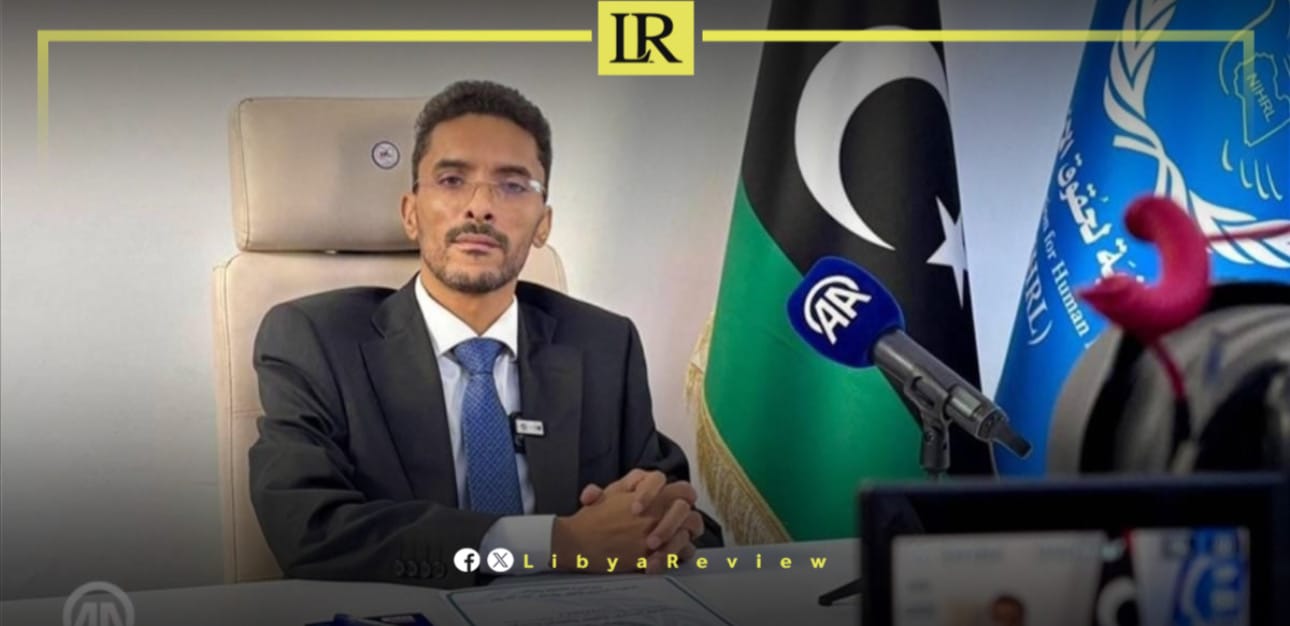
The head of the National Institution for Human Rights in Libya (NIHRL), Ahmed Hamza, has strongly criticised calls to expel the International Organization for Migration and close its office in Libya, describing the campaign as “reckless and degrading” and accusing those behind it of trying to advance suspicious political agendas.
Hamza said the demand to remove the IOM from Libya was not based on a serious legal or humanitarian position, but rather reflected an attempt to exploit public anger over migration for political gain. He warned that targeting the UN migration agency could damage efforts to manage migration, support voluntary returns, and protect vulnerable migrants inside the country.
The International Organization for Migration has been active in Libya for years, working on migrant protection, humanitarian assistance, voluntary return programmes, and coordination with local and international partners. Libya remains one of the main transit countries for migrants trying to reach Europe across the Mediterranean, while thousands of migrants continue to face detention, exploitation, trafficking, and poor living conditions.
Hamza also accused the acting Minister of Interior of seeking to benefit politically from the campaign against the IOM. He claimed the minister was attempting to use the current mobilisation to serve his own political interests and to gain control over financial support linked to voluntary return and deportation operations.
His remarks come amid growing debate in Libya over the role of international organisations in migration management. Some Libyan voices have called for stricter action against foreign agencies, accusing them of interfering in domestic affairs or failing to address the scale of irregular migration. However, rights groups argue that international cooperation remains necessary, especially in a country still facing political division, weak institutions, and serious humanitarian challenges.
Hamza’s comments suggest that the dispute over the IOM is becoming part of a wider political struggle over migration policy, state authority, and control of international funding. He warned that using the migration file for narrow political purposes could worsen the situation rather than solve it.
The National Institution for Human Rights has repeatedly called for migration policies that respect human dignity, protect Libya’s sovereignty, and prevent the exploitation of migrants for political or financial interests. Hamza said any decision regarding international organisations should be based on law, national interest, and humanitarian standards, not on populist campaigns or political calculations.

