
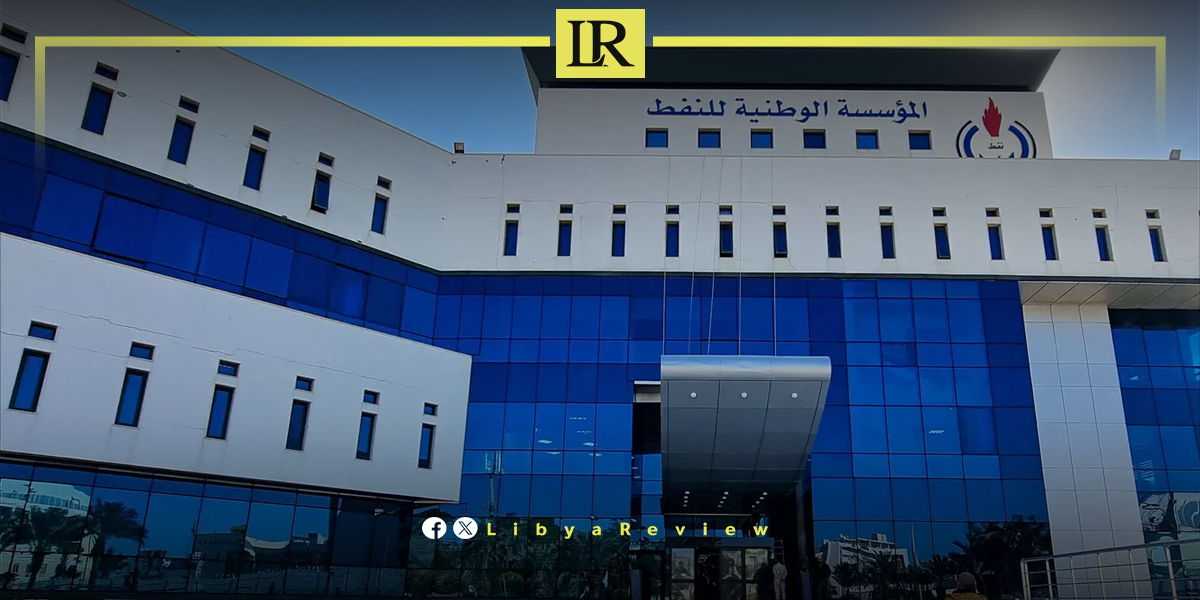
The National Oil Corporation (NOC) has announced that it has received only LYD 1 billion of its approved LYD 13.6 billion budget for 2026, representing just 7.36% of the total allocation, while confirming that no operating budget was released during 2025.
In a statement detailing approved, disbursed, and settled funds, the NOC said the limited amount released this year has been used primarily to settle outstanding financial obligations and debts owed by its subsidiaries and companies operating across Libya’s oil sector. The corporation stressed that, despite the strategic importance of the industry to the national economy, it has yet to receive any operating budget for 2025.
According to the statement, the largest single allocation—$119 million—was used to complete the acquisition of the remaining stake in the Ras Lanuf Refinery, restoring full ownership of the facility to the Libyan state. The payment also covered the settlement of the former partner’s share in the project.
The NOC also allocated $16.5 million to pay part of the South Refinery’s outstanding obligations to US technology company Honeywell. Another $7 million was directed toward settling part of the liabilities related to Schlumberger through several operating companies.
In addition, $3.5 million was allocated to reduce debts owed by Oil Aviation Company to several operators, while $4 million was used to pay part of the corporation’s obligations to Baker Hughes.
A further $7 million was allocated to settle part of the outstanding debts owed to several international energy companies, including Halliburton, Hill International, Core Laboratories, and NOV.
The NOC said these payments form part of its broader strategy to reduce accumulated liabilities, strengthen confidence with international partners, and ensure the continuity of operations across Libya’s oil sector.
The corporation reiterated that timely and adequate budget disbursements are essential to maintaining production, financing operational activities, preserving infrastructure, honoring contractual commitments, and supporting future investment in Libya’s oil industry, which remains the country’s primary source of export revenues and public income.

