
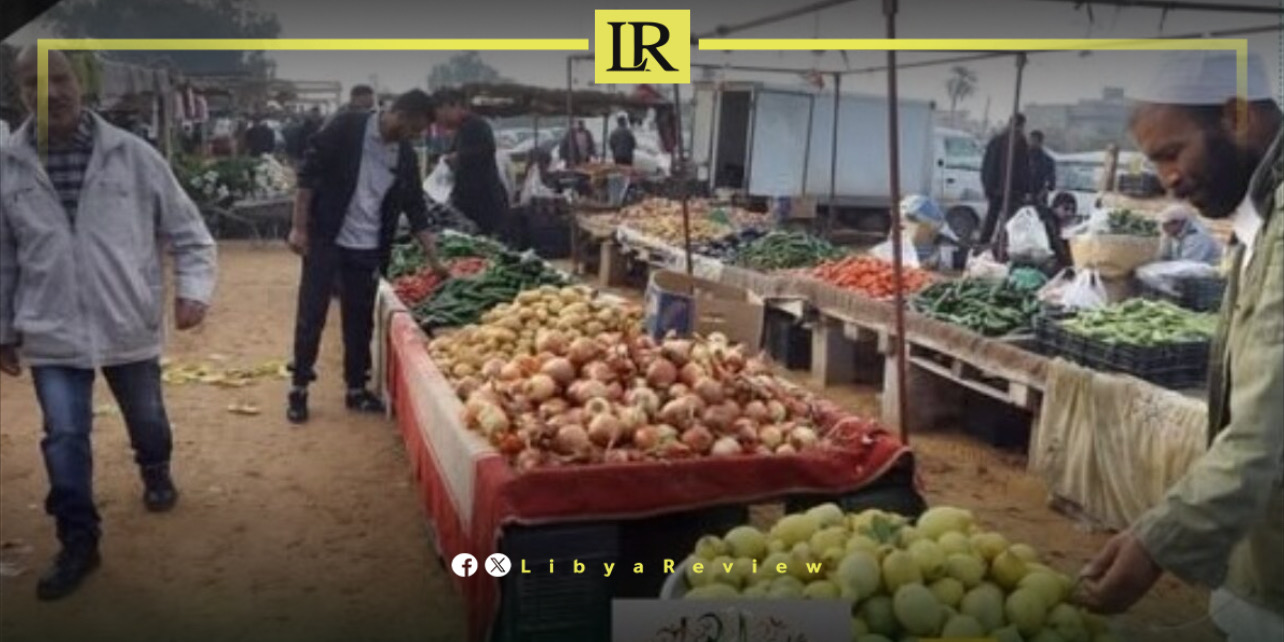
Around 65% of agricultural product samples collected from Tripoli, Benghazi, and Misrata contained pesticide residues, according to laboratory results announced by Libya’s Ministry of Local Government.
The ministry said 765 samples of agricultural products were tested across the three cities. Of these, 500 samples, or 65.3%, contained traces of pesticides, while 265 samples, representing 34.6%, were found to be within permitted safety limits.
The results also showed that 342 samples, equivalent to 44.7% of all tested products, contained pesticide residue levels exceeding internationally approved maximum limits.
The inspection covered 350 samples collected in Tripoli, 221 in Benghazi, and 194 in Misrata. The samples were gathered by the General Administration for Environmental Health Affairs in coordination with the Municipal Guard and other relevant authorities.
The Ministry of Local Government said investigations into the use and distribution of banned agricultural pesticides would continue. It also announced plans for wider inspection campaigns in several Libyan cities.
The measures are intended to protect public health, improve food safety controls, and prevent agricultural products that fail to meet safety standards from reaching local markets.
The findings may raise concerns among consumers over pesticide use in locally sold fruit and vegetables, particularly as almost half of the tested samples exceeded internationally accepted residue limits.

