
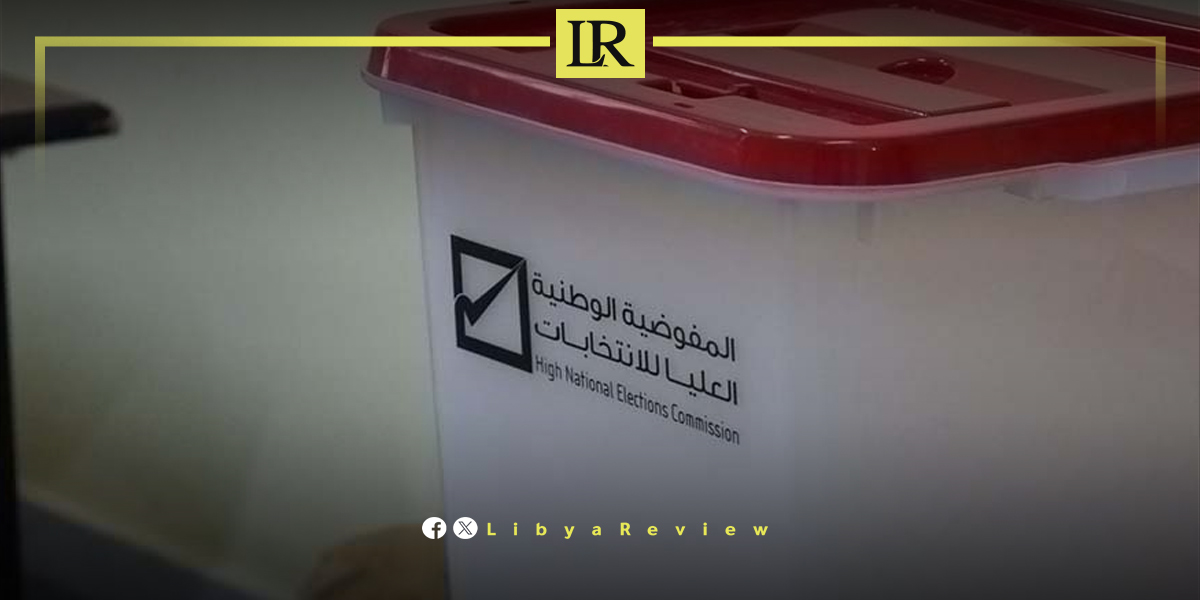
On Thursday, the High National Elections Commission (HNEC) decided to extend voter registration for the second phase of municipal elections until April 6, citing low turnout and financial shortages as major obstacles.
The registration process, which began on February 22, has seen minimal participation, prompting authorities to give Libyans more time to enroll.
The Commission stated that a lack of funding has hindered voter awareness campaigns, which are crucial for encouraging participation.
The Government of National Unity (GNU) had initially allocated only 15 million dinars out of the 30 million requested, despite multiple official requests from the electoral authority. The funding gap has raised concerns over the Commission’s ability to complete the election process, casting doubt on whether municipal elections can proceed smoothly.
The Commission called on Libyans to take advantage of the extended registration period, emphasizing that it coincides with the final days of Ramadan, offering a chance for more citizens to register via SMS or in person at designated centers.
Libya has faced repeated delays and disruptions in its elections due to political instability, financial mismanagement, and ongoing tensions between rival governments.
While municipal elections play a crucial role in local governance and service delivery, the country’s fragmented political landscape has made it difficult to organize fair and timely voting processes.
Since the fall of Muammar Gaddafi in 2011, Libya has remained deeply divided, with two rival administrations—the Tripoli-based Government of National Unity (GNU) and the Parliament-backed government in Benghazi—operating separate financial and administrative structures. This divide has complicated national governance and affected the allocation of resources for essential institutions, including the electoral commission.
The low voter registration rates and ongoing budget issues highlight deeper governance challenges that threaten Libya’s ability to hold future elections at both the local and national levels. With continued uncertainty over funding and electoral logistics, the success of municipal elections—and Libya’s broader democratic progress—remains at risk.

