
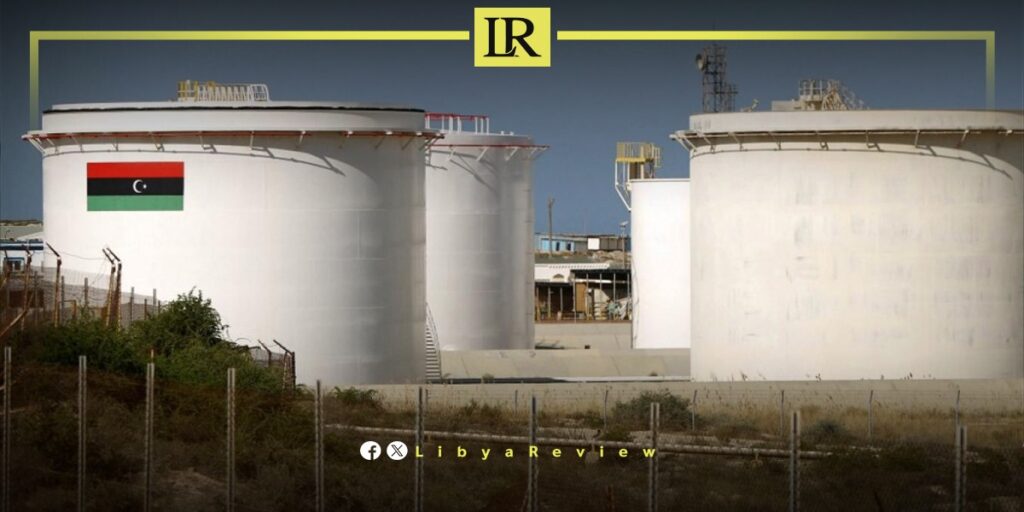
Libya’s crude oil exports have reached a new milestone after Nigeria imported Libyan oil for the first time on record, highlighting the growing role of Libyan supplies in regional energy markets amid ongoing disruptions to global trade flows.
According to data published by Energy Research Unit, Nigeria imported around 64,500 barrels per day of Libyan crude during May 2026, equivalent to approximately two million barrels for the month. The shipment marks the first recorded Nigerian import of Libyan crude in available historical data dating back to 2013.
The development comes as international oil markets continue to adjust to supply disruptions linked to the conflict involving Iran and the resulting challenges affecting energy shipments through the Gulf region. These conditions have allowed Libyan crude to expand its presence in both African and European markets.
Libya has also strengthened energy ties with neighbouring countries. Egypt imported approximately 33,000 barrels per day of Libyan crude in April 2026, following imports of 57,000 barrels per day in February. The purchases marked Egypt’s first imports of Libyan crude since 2019 and form part of efforts to secure alternative supplies following agreements to import more than one million barrels per month from Libya.
Tunisia also increased purchases of Libyan crude during 2026, importing around 19,000 barrels per day in March and 10,000 barrels per day in May, despite only occasionally buying Libyan oil in previous years.
Industry attention has focused on Nigeria’s giant Dangote Refinery, Africa’s largest refinery with a capacity of 650,000 barrels per day. Reports in 2024 suggested the refinery was exploring purchases of Libyan crude, although Libya’s National Oil Corporation denied talks at the time.
Despite the breakthrough in Nigeria, Libya’s overall crude exports declined by 11% in May to 1.07 million barrels per day, their lowest level since October 2024. Operational challenges, including the impact of a fire on infrastructure linked to the Sharara oilfield earlier this year, contributed to the temporary decline.
Italy remained Libya’s largest customer, importing 348,000 barrels per day in May, accounting for roughly one-third of total Libyan crude exports. Greece, Spain and Turkey followed among the leading buyers of Libyan oil.

