
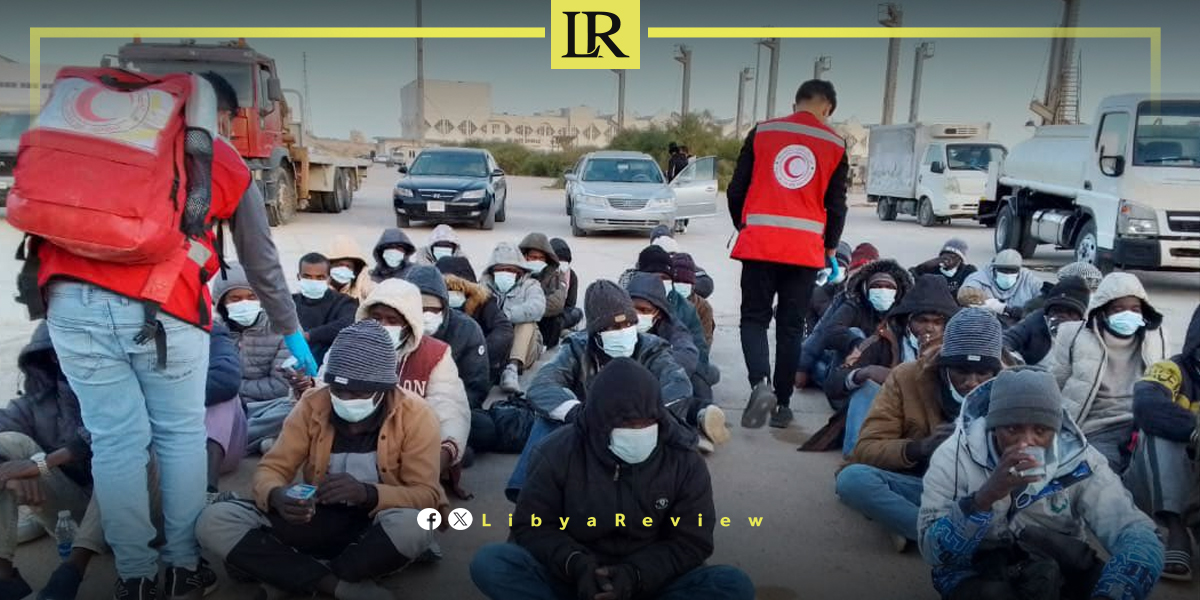
The International Organization for Migration (IOM) reported that 784 migrants were intercepted and returned to Libya between 22 and 28 February 2026, according to its latest weekly maritime update.
The figures reflect continued migrant movement along the Central Mediterranean route, one of the world’s most dangerous irregular migration corridors. The interceptions occurred at multiple points along Libya’s coastline, including areas west and east of Tripoli as well as near Benghazi and Tobruk.
According to IOM data, Libya has recorded 1,859 migrants intercepted and returned so far in 2026. The total includes 1,630 men, 176 women, and 143 children, highlighting the mixed demographic composition of migration flows.
The agency also reported 503 deaths and missing persons on the Central Mediterranean route since the beginning of 2026, underscoring persistent risks faced by migrants attempting sea crossings toward Europe.
Looking at broader trends, IOM said that during 2025, a total of 27,116 migrants were intercepted and returned to Libya, compared with 21,762 in 2024. The figures point to sustained pressure on migration routes linking North Africa to southern Europe.
IOM reiterated in its update that it is not involved in rescue or interception operations and does not oversee incidents before or after disembarkation. The organization also maintains its position that Libya is not considered a safe port for migrants.
Migration via Libya remains driven by a combination of conflict, economic hardship, and smuggling networks operating across the region. International agencies continue to warn that without expanded legal pathways and stronger regional cooperation, dangerous sea crossings are likely to persist.

