
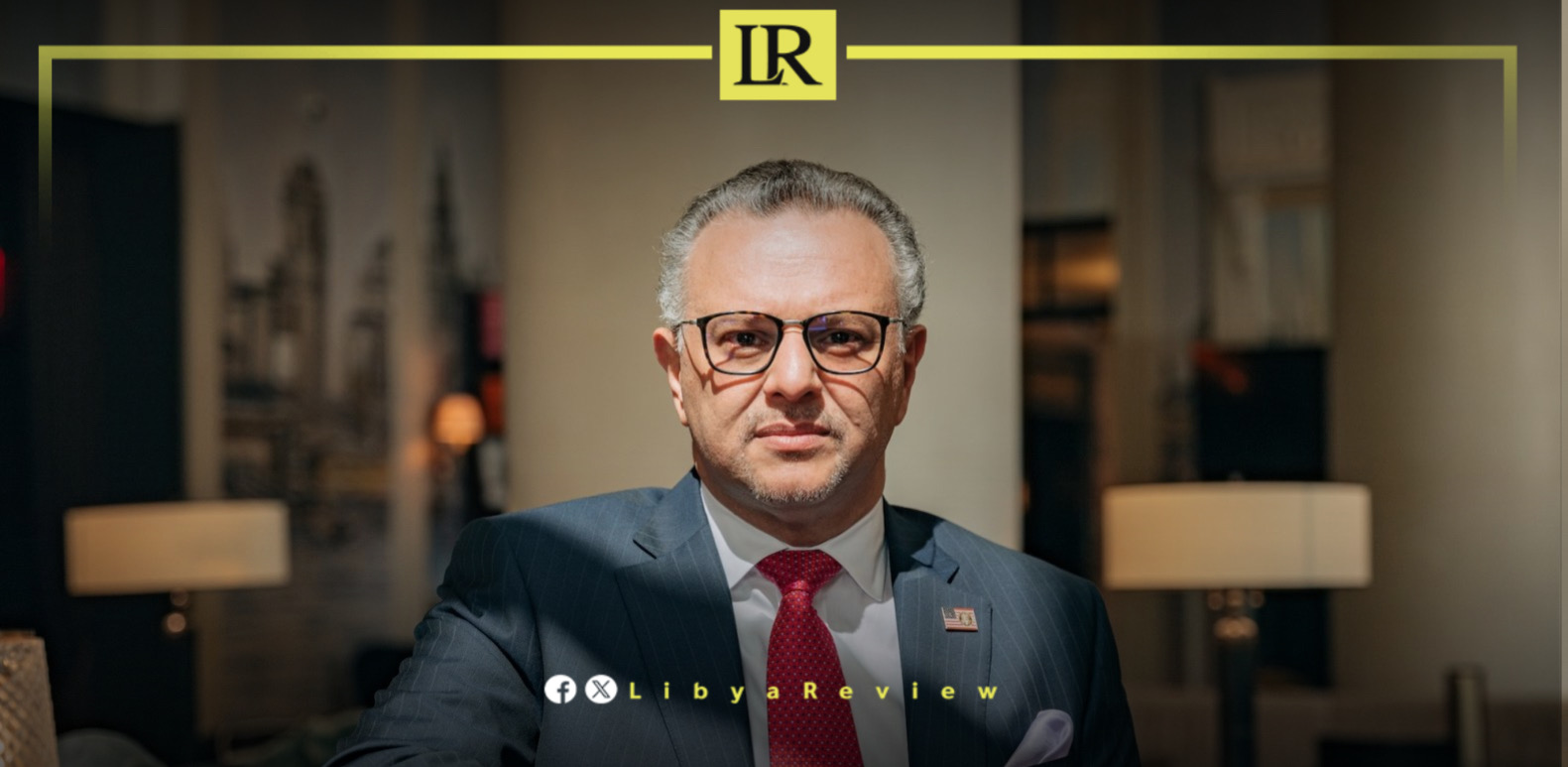
A proposal to form a unified Libyan government is reportedly being examined by Massad Boulos, an adviser linked to US President Donald Trump, according to a report by the French intelligence publication Africa Intelligence.
The report indicated that the initiative aims to bridge Libya’s political divide by establishing a new government that would include representatives from the country’s rival administrations. The proposed arrangement would seek to create a power-sharing formula between competing political authorities in an effort to reduce institutional fragmentation and stabilize the political situation.
Libya has remained politically divided for years between rival governing bodies in the east and west, with each side maintaining its own political institutions and security structures. Numerous international initiatives have attempted to reconcile these divisions through dialogue, transitional arrangements, and electoral roadmaps, but progress toward a unified national government has remained limited.
According to the report, the proposed initiative would involve negotiations over the distribution of key state positions and sovereign posts between the rival administrations. Such discussions could focus on forming a joint government structure that accommodates multiple political factions while maintaining a balance of power.
However, the report suggested that the proposal might allow current political leaders to remain in their positions without setting a clear timetable for national elections. Analysts say this possibility could raise concerns among those who view elections as the primary path toward ending Libya’s long political transition.
The approach could also conflict with the political roadmap promoted by the United Nations Support Mission in Libya, which has repeatedly emphasized the importance of organizing nationwide elections to restore unified institutions and legitimate political authority.
Observers note that any attempt to create a power-sharing government in Libya would likely require complex negotiations among domestic factions as well as coordination with international stakeholders involved in mediation efforts.

