
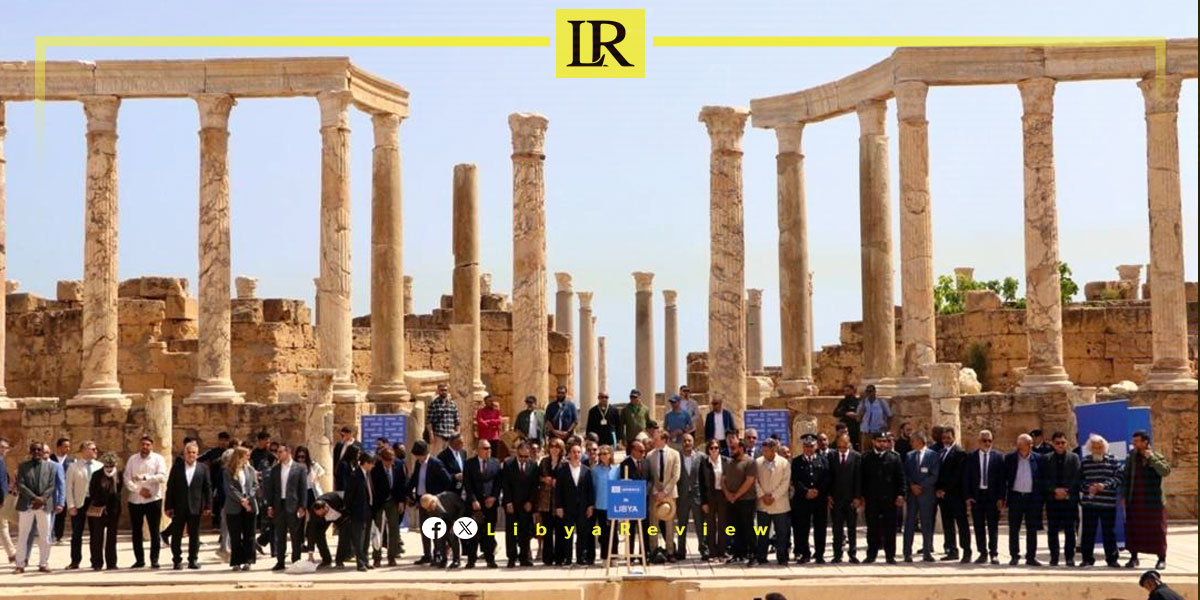
UNESCO has officially reopened its office in Libya after nearly a decade of closure, marking a significant step in renewing international cooperation in education, culture, and science.
The reopening ceremony took place in Tripoli at the National Museum within the historic Red Castle complex, attended by senior officials and international representatives.
The move signals a renewed commitment by UNESCO to support Libya’s national priorities across several sectors, including heritage preservation, education, and creative industries.
Sharif Ahamimad, Director of UNESCO’s Regional Office for the Maghreb, described the reopening as more than just a physical return. He emphasized that it represents a stronger partnership and deeper engagement with Libya, aimed at addressing the country’s evolving needs.
As part of this renewed cooperation, UNESCO announced plans to launch a new project in collaboration with Libya’s scientific institutions. The initiative will focus on strengthening infrastructure and human capacity at biotechnology research centers, including upgrading laboratory equipment and supporting long-term academic training programs, while expanding cooperation with international institutions.
The new UNESCO office will operate from within the headquarters of the United Nations Support Mission in Libya, reinforcing coordination between UN agencies working in the country.
UN Resident Coordinator Ulrika Richardson highlighted the importance of UNESCO’s return, stressing its role in supporting education, scientific development, and the protection of cultural heritage. She pointed to Libya’s rich historical sites, including Leptis Magna, as examples of the country’s cultural potential.

