
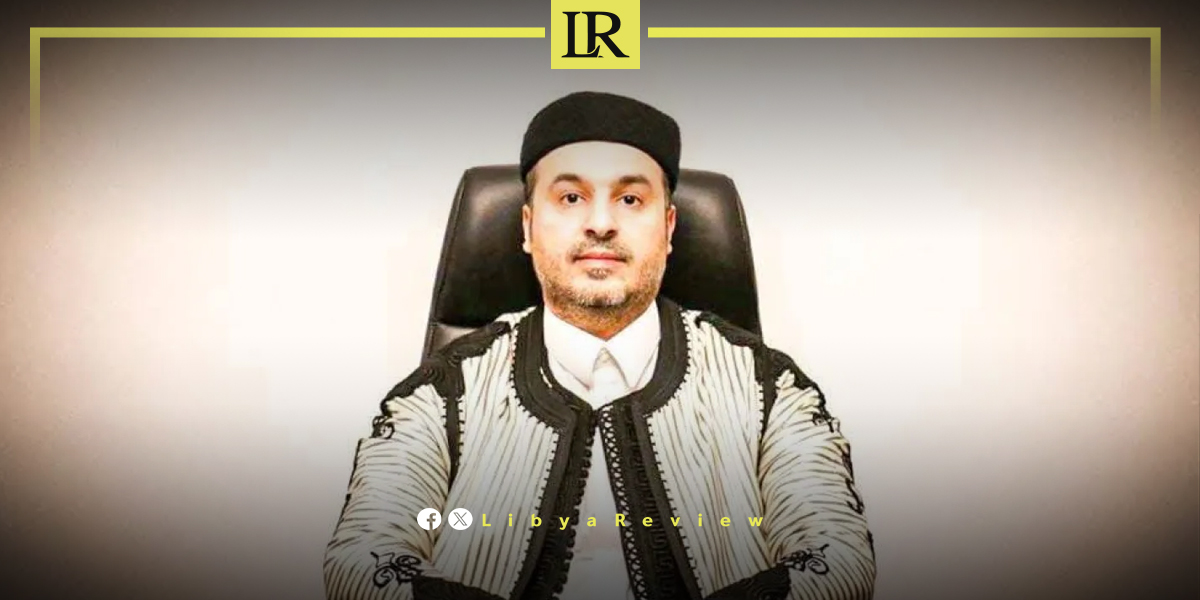
Mounting human rights pressure is building in Libya following the detention of activist and blogger Mahdi Abu Al-Qasim Abdullah, who was reportedly seized by unidentified armed men in the city of Misrata. Concerns have intensified amid reports that he has been subjected to torture and is suffering from a deteriorating health condition.
According to statements from his family, Abdullah is being held under “harsh conditions involving torture and intimidation,” which allegedly led to his transfer to hospital for urgent medical treatment. The family has directly blamed Prime Minister Abdulhamid Dbaiba and his affiliated security agencies, holding them fully responsible for his safety and wellbeing.
Relatives have called for an immediate and transparent investigation into the circumstances of his detention, demanding accountability for all those involved in what they describe as abduction and mistreatment. They also urged the United Nations Support Mission in Libya (UNSMIL) and international human rights organisations to intervene swiftly and ensure his release.
The case has reignited wider concerns over civil liberties in Libya, where activists, journalists, and rights defenders have faced repeated incidents of arbitrary detention and enforced disappearance in recent years. The influence of armed groups across parts of the country continues to complicate efforts to uphold the rule of law.
Previous reports by Human Rights Watch have documented patterns of abuse against activists, including arbitrary arrests, torture, and intimidation. Many individuals remain reluctant to speak publicly due to fear of reprisals, highlighting the fragile state of freedom of expression in the country.
Additional reactions from rights advocates have further amplified pressure on authorities. Activists stressed that bloggers and journalists “are not enemies of the state, but its last line of defence,” calling on the public prosecutor to fulfil both legal and moral responsibilities in addressing the case.
Khaled Al-Ghweil, adviser to the Union of Libyan Tribes, stated that voices calling for justice will not be silenced, urging the immediate release of Abdullah and respect for fundamental rights.
The incident places Libya’s Government of National Unity under renewed scrutiny over its human rights record, as domestic and international actors increase calls for accountability, transparency, and the protection of civil freedoms.

