
The International Maritime Organization has commended Libya’s handling of the crisis involving the Russian gas tanker Arctic Metagas, highlighting the country’s rapid response to protect its coastline, critical infrastructure and marine environment.
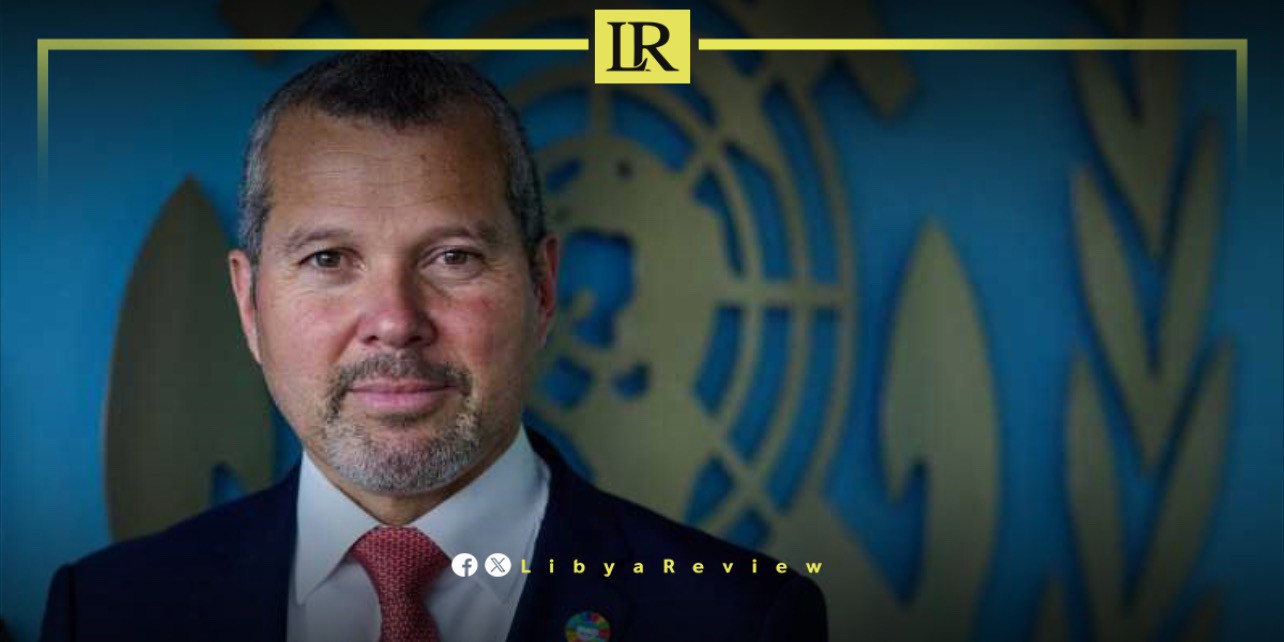
IMO Secretary-General Arsenio Dominguez praised Libyan authorities in an official message addressed to Mohammed Al-Siouei, head of the Ports and Maritime Transport Authority. He confirmed that the organization is closely monitoring developments in coordination with regional emergency response bodies in the Mediterranean.
Dominguez said the IMO stands ready to facilitate communication and provide technical and coordination support among relevant parties to help contain the situation and minimise potential risks.
The crisis escalated after Libyan authorities reported losing control of the tanker in the Mediterranean Sea following failed towing attempts. Adverse weather conditions, including strong winds and waves reaching up to five metres, hampered efforts to stabilise the vessel.
Earlier, naval command authorities in eastern Libya announced the formation of a monitoring unit to track the tanker’s course and direction and to take preventive measures against possible hazards.
Officials have warned that the vessel’s fate remains uncertain. Khaled Ghulam, spokesperson for the emergency committee handling the incident, called on Mediterranean countries to take coordinated action, similar to Libya’s response, to prevent further escalation.
The tanker had previously been towed away from Libya’s western coast amid fears of a potential environmental disaster, particularly after reports suggested it may have been targeted by a drone while sailing in the Mediterranean. However, deteriorating weather conditions pushed the vessel back toward Libyan waters, where it later reappeared off the coast of Misrata.
According to estimates, the tanker is carrying around 450 tonnes of heavy fuel oil and 250 tonnes of diesel, in addition to an unspecified quantity of liquefied natural gas. Concerns are mounting that part of the cargo may already have leaked, raising the risk of environmental damage along Libya’s coastline.
The incident has intensified calls for regional coordination and international support to address maritime emergencies in the Mediterranean, as authorities race to prevent a potential ecological crisis.

