
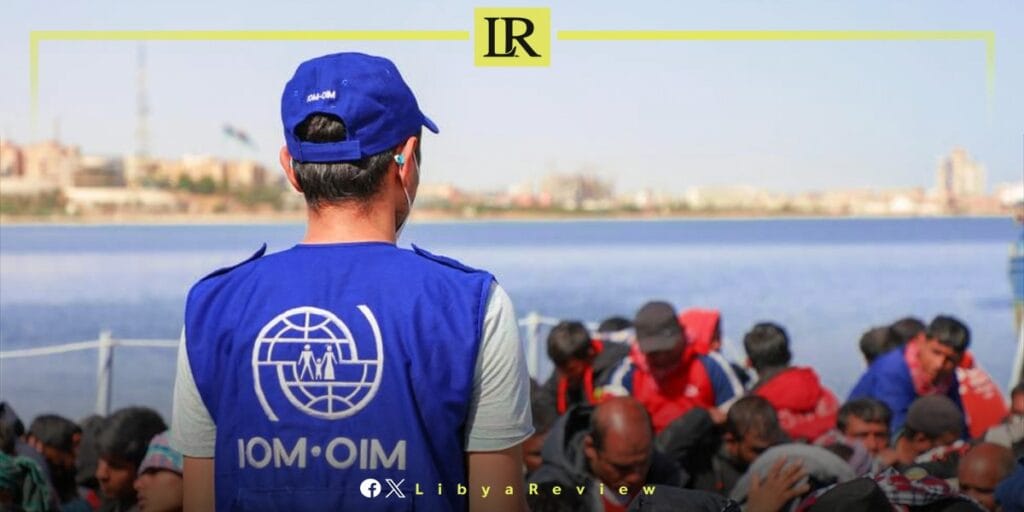
The International Organization for Migration (IOM) has reported that 788 migrants were intercepted and returned to Libya during the period from 19 to 25 April 2026, highlighting ongoing challenges along the Central Mediterranean migration route.
According to the IOM’s latest weekly maritime update, the interceptions occurred across multiple points along Libya’s western and eastern coastlines, including areas near Tripoli, Zawiya, Sabratha, Derna, and Tobruk. The figures reflect continued attempts by migrants to cross towards Europe despite heightened risks and persistent instability in Libya.
The data shows that the majority of those intercepted were men, alongside a smaller number of women and children. The organisation noted that some migrants’ demographic details remain unverified, pointing to gaps in data collection during maritime operations.
The latest figures bring the total number of migrants intercepted and returned to Libya so far in 2026 to 5,195. This marks a steady continuation of migration flows compared to previous years. In 2025, the IOM recorded 27,116 migrants returned to Libya, while 21,762 were intercepted in 2024.
The report also underlined the human cost of the migration route. At least 781 people have been reported dead or missing in the Central Mediterranean since the start of 2026. The route remains one of the most dangerous in the world, with overcrowded and unseaworthy boats frequently used by smugglers.
The IOM reiterated that it is not involved in interception operations and does not consider Libya a safe port for migrants. It also stressed that figures are based on initial reports and may be updated as more information becomes available.
Migration through Libya continues to be driven by conflict, economic hardship, and limited legal pathways, keeping pressure on both Libyan authorities and international organisations operating in the region.

