
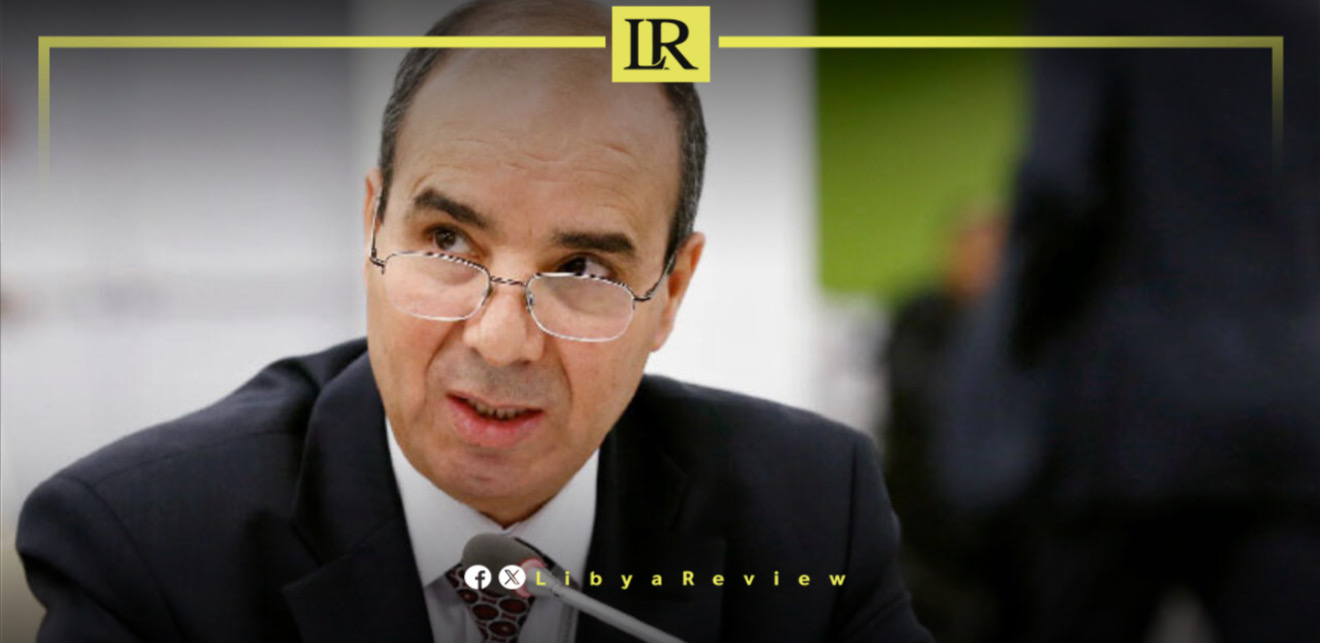
Former Libyan Ambassador to the United Nations Ibrahim Dabbashi has called for the closure of the office of the United Nations High Commissioner for Refugees (UNHCR) in Libya, arguing that the agency’s presence lacks a clear legal foundation and has contributed to complications surrounding the country’s migration and refugee policies.
In a statement published on social media, Dabbashi said the UNHCR office was initially allowed to operate in Libya temporarily to oversee the relocation of a group of Somali refugees who had been accepted by Libya in the early 1990s. According to his account, the arrangement was intended to remain in place only until third countries could receive and resettle those refugees.
Dabbashi claimed that the agency’s role later expanded beyond its original mandate, alleging that it began issuing refugee documentation to foreign nationals and migrant workers. He argued that this development created additional challenges for Libya’s efforts to regulate migration and determine the legal status of foreigners residing in the country.
The former diplomat also criticised what he described as the growing influence of international organizations in matters that he believes should remain under the authority of the Libyan state. He maintained that decisions regarding refugee status, asylum applications, and migration management should be handled exclusively by national institutions operating under Libyan law.
According to Dabbashi, no international organization should serve as a substitute for state authorities in defining who qualifies for refugee protection within Libya. He argued that the country needs a comprehensive national framework capable of addressing migration issues while preserving state sovereignty and ensuring compliance with domestic legislation.
As an alternative, he proposed establishing a dedicated national authority responsible for managing refugee and migration affairs. Such an institution, he said, would oversee cases involving undocumented migrants and individuals entering Libya illegally, regardless of the circumstances surrounding their arrival.

