
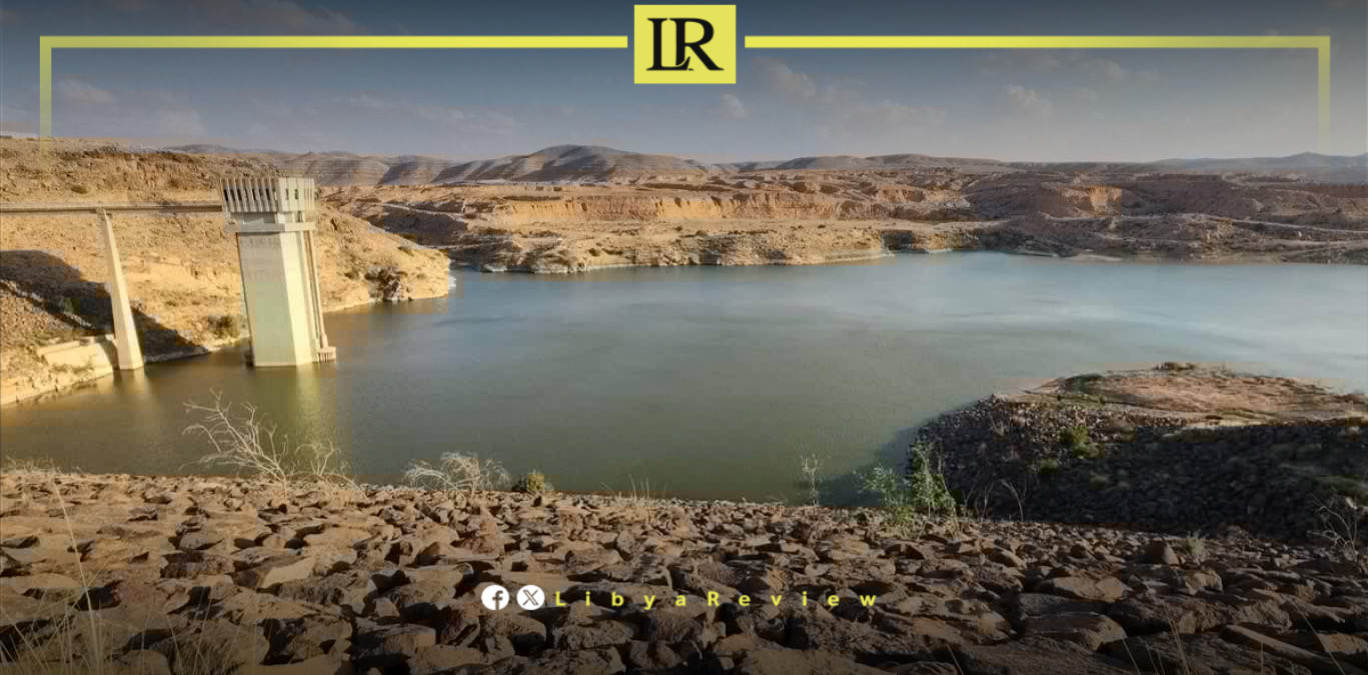
A vast underground freshwater reserve shared by Libya, Algeria, and Tunisia contains an estimated 40 trillion cubic meters of water, an amount equivalent to nearly half the volume of the Caspian Sea, according to a report published by the French newspaper La Croix.
The report highlights the growing strategic importance of the massive aquifer system as North African countries face increasing pressure from climate change, water scarcity, and rising demand for freshwater resources. Hidden beneath the Sahara Desert, the reserve is considered one of the largest underground freshwater sources in the world.
Libya, Algeria, and Tunisia recently agreed to strengthen cooperation in managing the shared resource through a new regional framework to promote the sustainable and equitable use of groundwater reserves. The initiative follows the signing of the Tripoli Declaration, which emphasizes joint responsibility for protecting the aquifer and ensuring its long-term viability.
For Libya, the underground reserve represents a critical source of water. The country relies heavily on groundwater supplies, with the Great Man-Made River project providing approximately 70 percent of its freshwater needs. The vast network transports water from southern desert aquifers to densely populated cities and agricultural areas in the north.
Experts warn, however, that the aquifer is a fossil water reserve, meaning it replenishes extremely slowly and cannot be considered a renewable resource in the traditional sense. As water demand increases across the region, concerns are growing over the long-term sustainability of extraction rates.
According to estimates cited in the report, approximately 62 percent of the aquifer lies beneath Algeria, while Libya holds around 30 percent and Tunisia about 8 percent. These figures are expected to play an important role in future discussions on resource allocation and regional water management policies.
The report also notes that increasing desertification, prolonged droughts, and rising temperatures have intensified the need for cooperation among the three countries. For Libya, where more than 90 percent of the territory is covered by desert, securing reliable water supplies remains a national priority and a key factor in future economic and social development.

