
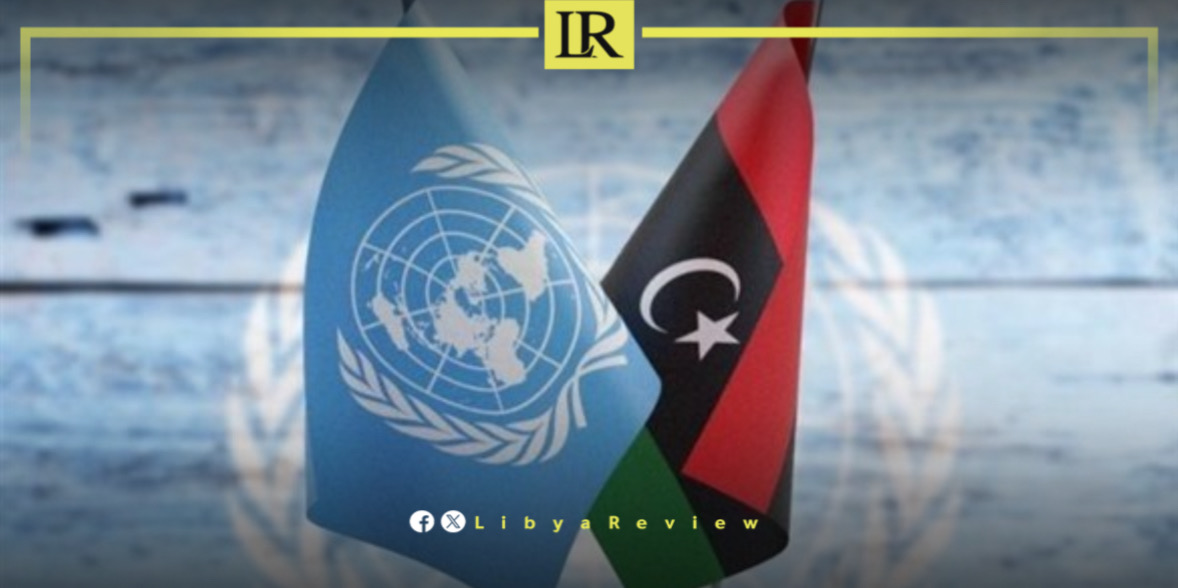
The United Nations Support Mission in Libya (UNSMIL) has strongly denied claims that the United Nations is implementing any plans or programs aimed at permanently resettling migrants or refugees inside Libya, describing such allegations as completely unfounded.
The statement was issued following demonstrations in Tripoli, where protesters gathered outside the offices of UNSMIL and the United Nations High Commissioner for Refugees (UNHCR). The protests were driven by concerns circulating on social media regarding alleged efforts to establish migrant resettlement programs in Libya.
In its response, UNSMIL stressed that neither the mission nor any United Nations agency operating in Libya, including UNHCR, is carrying out projects intended to settle migrants or refugees permanently in the country. The mission emphasized that its work is conducted in coordination with Libyan authorities and in full respect of Libya’s sovereignty.
According to the statement, UNHCR’s activities in Libya focus primarily on humanitarian protection and assistance for vulnerable individuals fleeing conflict, persecution, and violence. These efforts include facilitating voluntary returns to countries of origin and supporting evacuation programs to third countries when necessary, rather than promoting long-term settlement within Libya.
UNSMIL also voiced concern over what it described as the growing spread of misinformation, false claims, and hostile rhetoric surrounding the work of the United Nations in Libya. The mission warned that such narratives risk fueling tensions and encouraging hostility toward both Libyan and international personnel working for UN agencies.
The mission reaffirmed the importance of peaceful expression and constructive public dialogue, noting that citizens have the right to voice concerns and seek accurate information through lawful means. It emphasized that open discussion remains essential for addressing public concerns and finding sustainable solutions to complex issues such as migration.
In addition, UNSMIL condemned any threats, intimidation, vandalism, or attacks directed at United Nations staff, facilities, or property. The mission called on all parties to respect international legal protections afforded to UN personnel and institutions.
The statement comes as migration remains one of Libya’s most sensitive and widely debated issues, amid continuing concerns over border security, human trafficking, and the role of international organizations in managing migration-related challenges.

