
Italy on Friday appealed for the release of two Italian pro-Palestinian activists detained in eastern Libya, as concerns mounted over the health of a group of campaigners who have reportedly been on a hunger and thirst strike for four days.
The appeal comes amid growing international attention on the activists, who are part of a wider movement supporting humanitarian assistance to Gaza. According to campaign organisers, the two Italians are among a group of ten activists currently being held in eastern Libya after attempting to continue their mission towards the Palestinian territory through land routes.
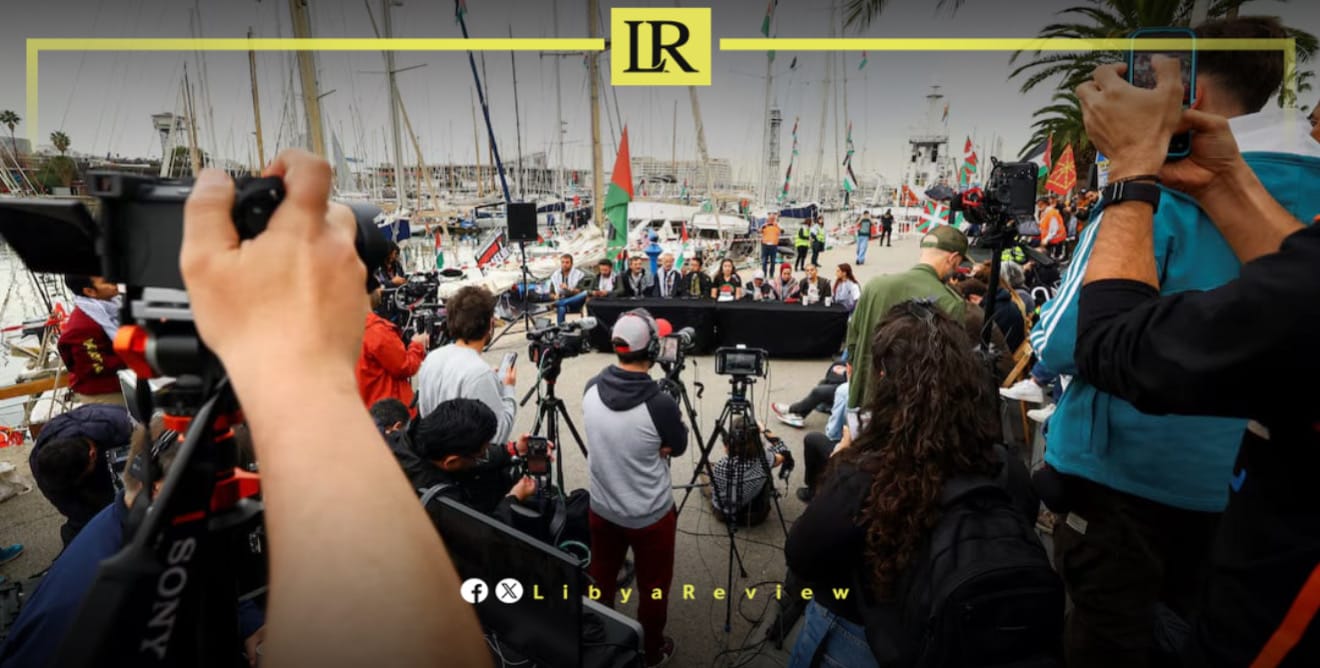
The activists are linked to the Global Sumud Flotilla initiative, which advocates for humanitarian access to Gaza. The movement has faced significant obstacles in recent months. In May, Israeli forces intercepted dozens of vessels carrying volunteers and aid supplies destined for Gaza, detaining hundreds of individuals involved in maritime efforts to reach the enclave.
Italy’s Foreign Ministry said Italian Consul Filippo Colombo had formally appealed to authorities in Benghazi to release the detained Italian citizens and had requested permission to visit them. The ministry has not provided further details regarding the circumstances of their detention.
In a statement issued on Thursday, the Global Sumud Flotilla said the ten detainees had entered the fifth day of a hunger strike in protest against their detention and what it described as poor treatment while in custody.
The organisation warned that the activists’ health was deteriorating rapidly and expressed concern about the consequences of a prolonged refusal of food and water.
“A hunger and thirst strike can lead to death very quickly,” the statement said. “Without immediate intervention, this humanitarian crisis could turn into a tragedy.”
The case has drawn increasing scrutiny from human rights advocates and international observers, who have called for the detainees’ welfare to be protected and for consular access to be granted. No official comment had been issued by eastern Libyan authorities at the time of publication.

