
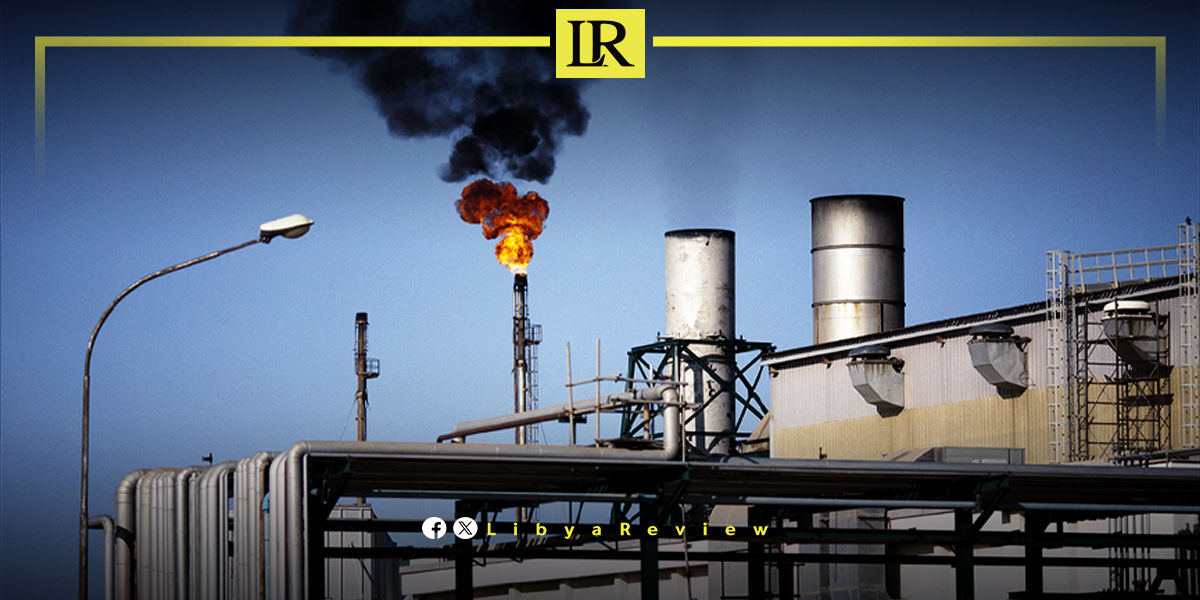
Libya is experiencing one of the strongest periods of oil production and revenue growth in more than a decade, attracting billions of dollars in foreign investment and renewed interest from major international energy companies. Yet despite these economic gains, the country remains politically divided, raising questions about whether rising oil revenues are helping to solve Libya’s crisis or helping to sustain it.
Libya is currently producing around 1.4 million barrels of oil per day, its highest output level in more than a decade. Annual oil revenues exceeded $22 billion last year, while major international energy companies have announced long-term investments worth billions of dollars in the country’s oil and gas sector. Recent agreements involving companies such as TotalEnergies, ConocoPhillips, Eni, Chevron, BP, and Repsol have strengthened Libya’s position as one of the most important energy producers in North Africa.
The country’s strategic importance has also increased amid disruptions to global energy markets. Growing demand from European countries seeking alternative crude oil sources has made Libyan exports more attractive, encouraging international firms to expand their operations despite the country’s unresolved political challenges.
However, analysts note that Libya remains divided between rival political and military authorities. The eastern-based Libyan National Army (LNA), led by Field Marshal Khalifa Haftar, maintains control over large parts of eastern and southern Libya, including major oil-producing areas. Meanwhile, the interim Government of National Unity in Tripoli oversees key economic institutions, including the National Oil Corporation and the Central Bank.
According to several observers, this arrangement has created a system in which both sides benefit from continued oil production while avoiding the political risks associated with major concessions or structural change. Oil revenues continue to sustain state institutions and administrative structures across the country, reducing pressure for a comprehensive political settlement.
Attention has also focused on reports concerning Arkenu Oil Company, which was mentioned in findings by the United Nations Panel of Experts. The report raised questions regarding oil transactions, revenue distribution, and the role of private entities operating within Libya’s complex energy landscape. The issue has intensified debate over transparency, oversight, and the management of oil wealth.
At the same time, efforts to organize national elections remain stalled. Elections originally scheduled for December 2021 were postponed, and political actors have yet to agree on a constitutional and legal framework for a new vote. Repeated attempts to advance electoral processes have faced disagreements over governance, power-sharing, and institutional authority.
For many analysts, Libya’s central challenge is no longer generating revenue but ensuring that its growing oil wealth contributes to political reconciliation, stronger institutions, and a unified national framework. While the country’s energy sector continues to attract international investment, questions remain over whether economic growth alone can help resolve Libya’s long-standing political crisis.

