
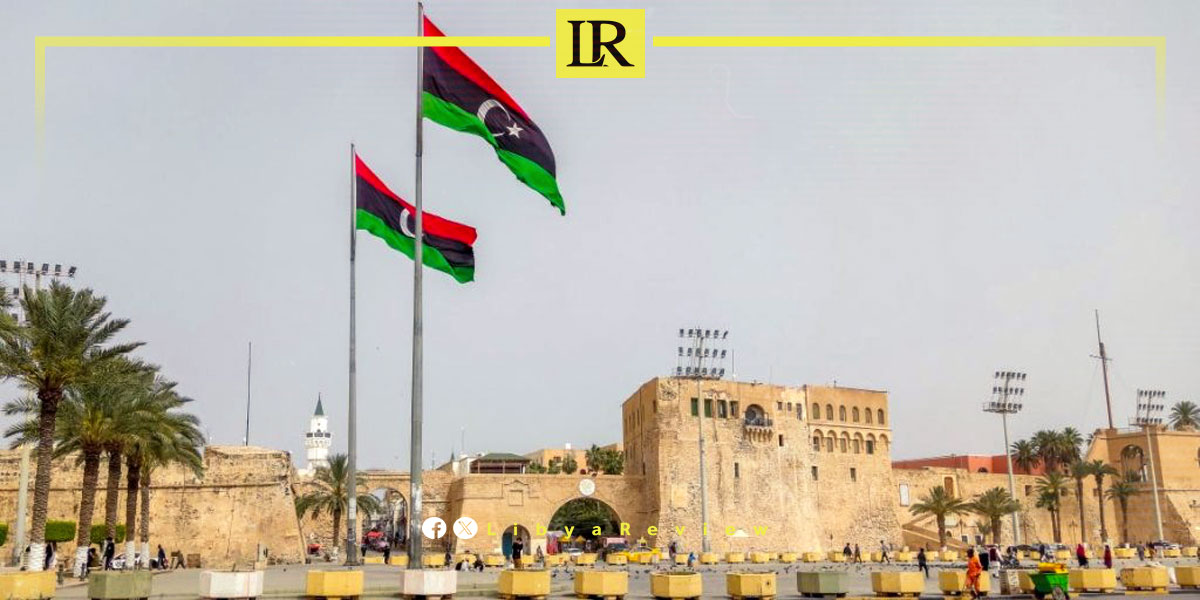

Libya has been ranked the 21st highest-risk country in the world in the latest Geopit Geopolitical and Security Risk Index, reflecting the country’s continuing political divisions, security challenges, and institutional instability.
According to the report, Libya remains one of the world’s most volatile environments due to the lasting effects of years of internal conflict, recurring armed violence, and expanding criminal activity. The index states that the country’s security situation remains highly unpredictable for both residents and international organizations working to support stabilization efforts.
The assessment attributes Libya’s ranking to the continued fragmentation of political and security institutions, alongside competition among armed groups, government forces, and cross-border actors seeking to expand their influence. These factors, the report says, continue to undermine stability and complicate efforts to achieve a lasting political settlement.
Geopit also identified organized crime as a major contributor to Libya’s elevated risk profile. The report notes that criminal networks involved in human trafficking, smuggling, and other illicit activities continue to operate in several parts of the country, taking advantage of weak state institutions and uneven security conditions.
Among Libya’s cities, Tripoli and Murzuq were identified as the highest-risk locations. Tripoli received a risk score of 85.9, while Murzuq recorded 81.6.
According to the report, Tripoli’s high-risk rating reflects periodic armed clashes, criminal activity, kidnapping risks, and continued competition among rival security and military groups operating in the capital. These factors continue to affect the security environment despite periods of relative calm.
Murzuq, in southern Libya, remains vulnerable because of its strategic location near Libya’s southern borders. The report highlights limited government presence, cross-border armed groups, and human trafficking networks as key drivers of insecurity in the region.