
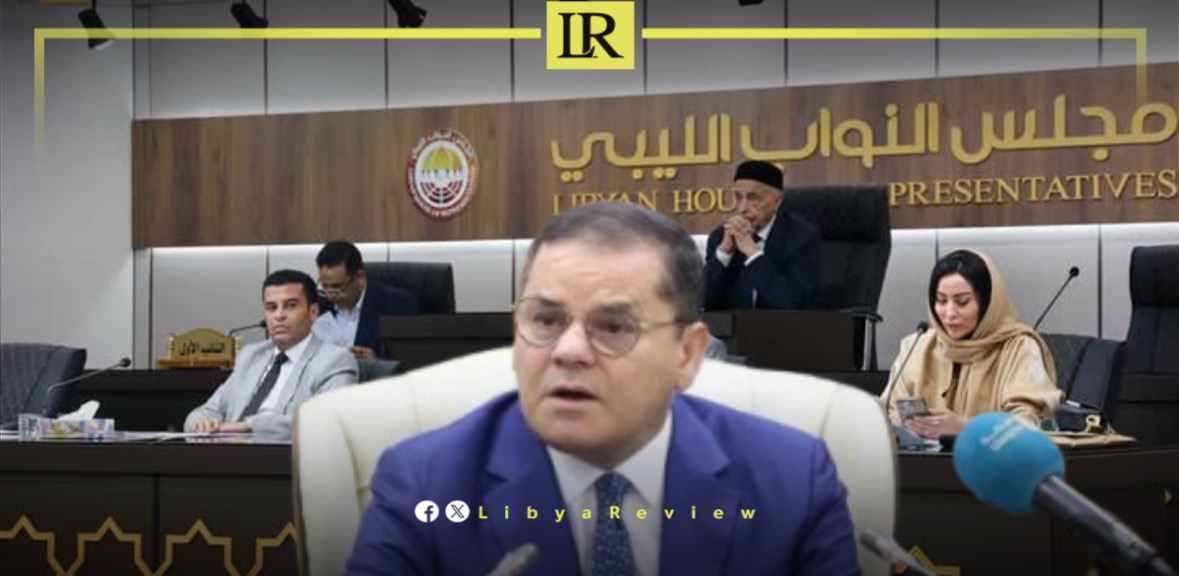
The Libyan National Assembly of Parties (LNAP) has called on the Parliament Speaker Ageela Saleh to convene an emergency parliamentary session to select a new prime minister, urging lawmakers to resolve the issue without further delay amid Libya’s prolonged political stalemate.
In a formal letter addressed to the Parliament Speaker, the assembly said that the country’s political deadlock and institutional paralysis have reached a critical stage and can no longer withstand further delays. It argued that restoring stability and rebuilding state institutions require decisive action that places the national interest above political disagreements.
The coalition stressed that it has no objection to supporting the formation of a new government, provided that the chosen prime minister is selected from among candidates who have fulfilled all legal requirements and obtained the necessary endorsements from both the House of Representatives and the High Council of State.
According to the letter, appointing a new executive authority is a necessary step toward ending Libya’s institutional division and creating the conditions needed to organize long-delayed national elections. The group said resolving the government issue would help restore confidence in state institutions and move the political process forward.
The National Assembly of Libyan Parties also placed what it described as a historic national responsibility on the House of Representatives, urging lawmakers to act swiftly and avoid any further postponement. It warned that continued delays would only deepen political divisions, prolong institutional paralysis, and undermine efforts to restore stability.
The coalition said convening an emergency parliamentary session would represent a decisive step toward breaking the political impasse, preventing attempts to extend the current transitional period, and paving the way for the electoral process awaited by millions of Libyans.
The appeal comes as political discussions continue over the future of Libya’s executive authority, with competing initiatives seeking to unify state institutions and establish a government capable of overseeing elections.

