
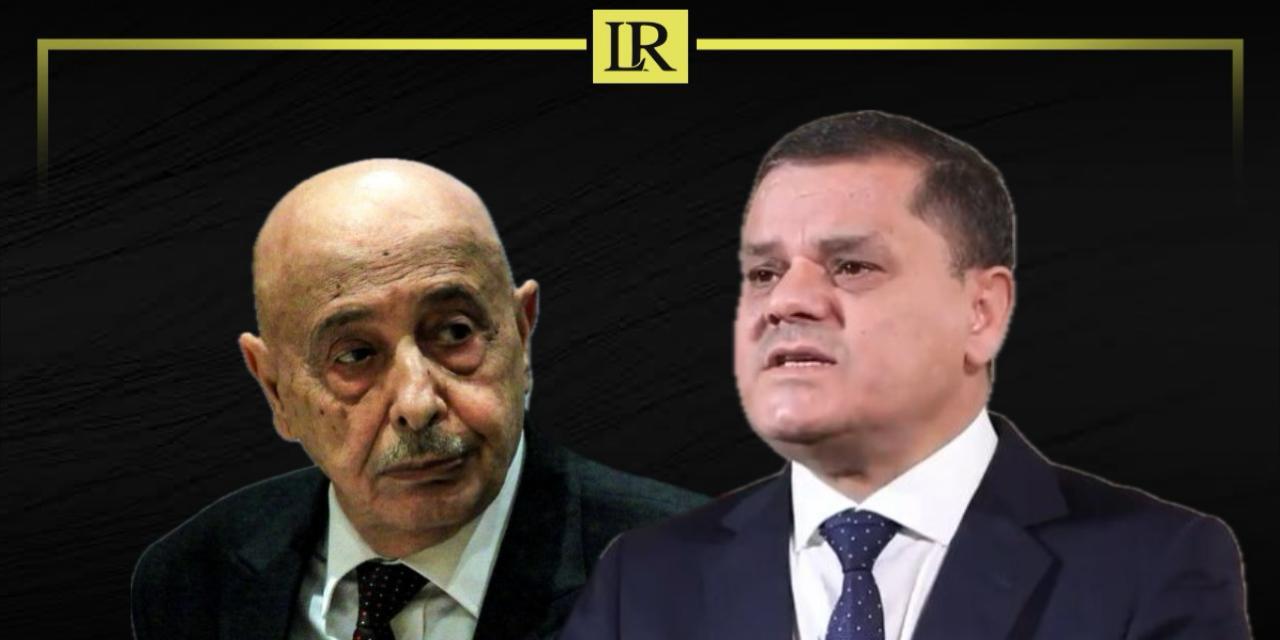
Libyan Prime Minister Abdul Hamid Dbaiba has expressed opposition to a policy proposed by Parliament Speaker Ageela Saleh to implement a tax on foreign currency exchanges. The policy, intended to devalue the dinar to mitigate economic challenges, was met with concern by Dbaiba during discussions with Parliament and High Council of State (HCS) members, where he highlighted the potential negative effects on Libyan citizens and dismissed claims of economic decline as baseless.
The proposal involves a 27% tax on transactions in foreign currencies at the official exchange rate through the end of 2024, as suggested by Central Bank Governor Al Saddiq Al-Kabir. This move has been criticized widely, indicating a growing rift within Libya’s political scene.
Mohammed Al Mnifi, Head of the Presidential Council, also voiced disagreement with the tax strategy, pointing to the need for immediate solutions to the nation’s soaring expenses, including inflated fuel subsidies, rather than imposing additional financial burdens on the populace. Al Mnifi has advocated for a comprehensive review of public spending by all relevant institutions at the next meeting of the High Financial Committee, proposing the establishment of technical committees to analyze and propose remedies for the economic situation.
This debate emerges amidst Libya’s prolonged instability and economic difficulties following the 2011 revolution that led to the ousting of Muammar Gaddafi. The ensuing division of the country into rival administrations has exacerbated economic issues such as currency depreciation, inflation, and liquidity problems.
As Libya grapples with these significant economic and political challenges, a unified approach that incorporates innovative and cooperative strategies is essential for fostering lasting stability and enhancing the quality of life for its citizens. The international community continues to watch closely, hoping for developments that will ensure a stable economic future for Libya.

