
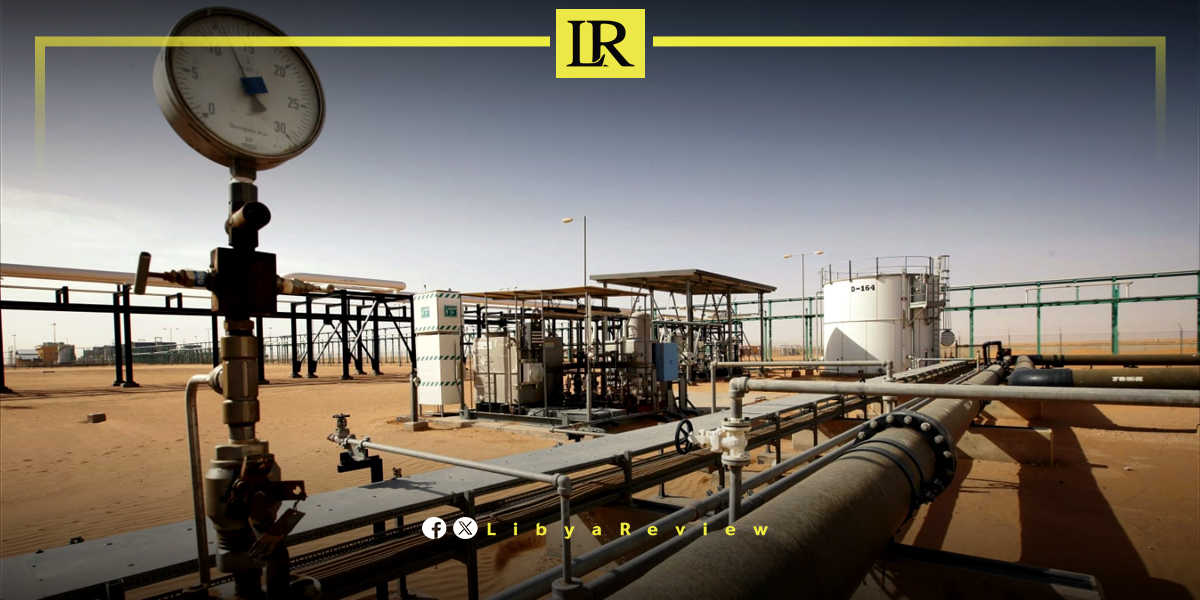
Libyan oil exports dropped by around 81% last week as the National Oil Corporation (NOC) cancelled shipments amid a crisis over control of the Central Bank of Libya and oil revenues, according to data from Kpler.
The crisis began last month when factions based in western Libya moved to oust the long-serving governor of the Central Bank. This prompted factions in the east to declare a complete halt in oil production.
Kpler data showed that Libyan ports shipped an average of 194,000 barrels per day of crude last week, a sharp drop of about 81% compared to just over 1 million barrels per day the previous week.
Despite both Libyan legislative bodies announcing an agreement last week to jointly appoint a new Central Bank governor within 30 days, the situation remains uncertain.
The United Nations Support Mission in Libya (UNSMIL), which is working to de-escalate the crisis, said on Tuesday that it would resume facilitating talks between Libyan factions in Tripoli today.
Sources familiar with the matter said the NOC, which manages Libya’s fossil fuel resources, has not declared force majeure on all loadings at the ports, instead applying it selectively to individual shipments.
The NOC declared force majeure on crude production at the El Feel oilfield on September 2 and on exports from the Sharara oilfield on August 7, before the Central Bank leadership crisis erupted.
Reuters reported that the NOC cancelled several shipments from Es Sider port last week. Two trade sources also indicated that shipments of Amna and Brega crude were cancelled.
An NOC source told Reuters that some tankers were allowed to load crude from stocks at Libyan ports to meet contractual obligations and avoid financial penalties.
The NOC stated on 28 August that oil production had dropped by more than half from usual levels, down to about 590,000 barrels per day.

