
More than 150 migrants have reached the Greek island of Crete in a single day after making the perilous Mediterranean crossing from Libya, Greek authorities confirmed on Tuesday, highlighting a growing shift in migration routes toward the southern island.
According to the Greek Coast Guard, the migrants arrived in three separate small boats on Monday. One vessel reached the beach of Arvi carrying 36 men, along with a woman and a child. Authorities said one of the passengers, identified as the boat’s operator, was arrested on charges related to endangering lives and facilitating illegal entry into Greece.
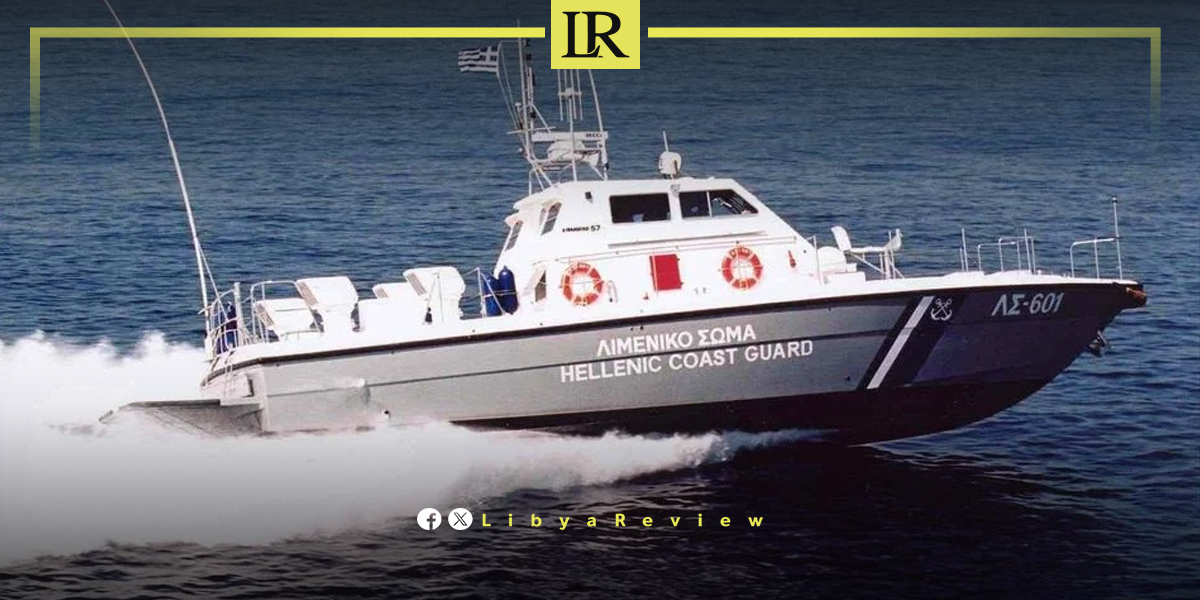
The other two boats were intercepted up to 32 miles south of Crete. Their passengers, including 109 men and 12 children, were rescued by a passing commercial ship and a patrol vessel from Frontex before being transferred safely to the island.
Crete Emerges as Key Migration Route
Despite the long distance from Libya, which can take up to three days in small, overcrowded boats, Crete has increasingly become a primary destination for migrant smuggling networks. So far this year, more than 2,200 migrants have arrived on the island, accounting for over one-third of the approximately 6,000 irregular entries recorded across Greece by land and sea.
This marks a notable shift compared to previous years, when the eastern Aegean island of Lesvos was the main entry point due to its proximity to Turkey. Since the start of the year, Lesvos has recorded around 800 arrivals, according to data from United Nations agencies.
Shift Linked to Increased Patrols in Eastern Aegean
The changing migration pattern is largely attributed to intensified patrols and stricter border enforcement in the eastern Aegean. Greek authorities, supported by Frontex operations, have significantly strengthened surveillance in that region, reducing crossings from Turkey.
As a result, smugglers are increasingly turning to longer and more dangerous routes from Libya toward Crete, reflecting both the ongoing instability in Libya and evolving migration dynamics in the Mediterranean.
The latest arrivals underscore the continued risks faced by migrants attempting the journey, as well as the growing pressure on southern European entry points.

