
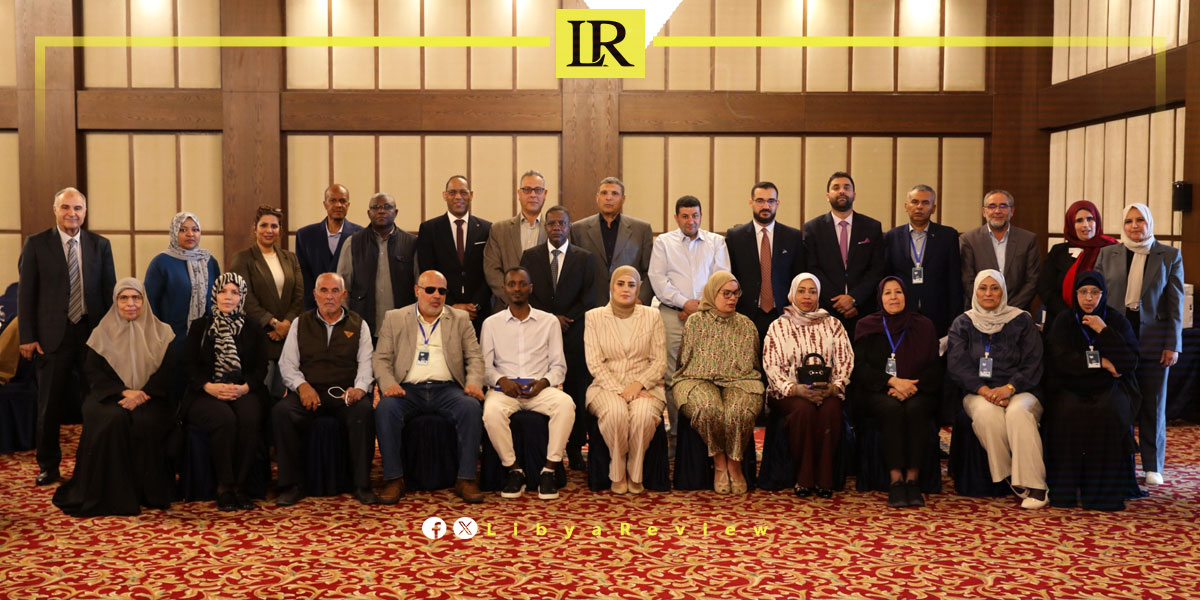
The United Nations Support Mission in Libya (UNSMIL) has concluded the fourth and final round of meetings for the National Reconciliation and Human Rights Track of the Structured Dialogue, as international and Libyan participants work toward a comprehensive package of recommendations to support economic reform and strengthen stability in Libya.
According to a statement issued by the mission, Track members spent four days in intensive discussions reviewing and refining draft recommendations intended to address Libya’s most pressing economic challenges. The talks focused on consolidating areas of agreement and improving the clarity and practicality of the final proposals to ensure they can be effectively implemented.
UNSMIL stated that the discussions reflected a strong commitment among participants to develop realistic solutions that improve economic governance and lay the foundations for long-term stability and sustainable development.
The draft recommendations addressed several major economic issues, including financial governance, public finance management, oil revenue administration, and oversight of sovereign resources. Participants also discussed economic restructuring, diversification of income sources, macroeconomic stability, and broader policy reforms aimed at improving economic performance.
The meetings further explored ways to achieve balanced development and economic fairness across Libya’s regions, while strengthening transparency and accountability in economic management. Participants also examined mechanisms for implementing the recommendations through broader national participation, stronger institutional coordination, and continued international support.
During a session held on May 19, Hanna Serwaa Tetteh stressed that economic reform remains essential for achieving lasting political stability in Libya. She stated that sustainable political progress cannot be achieved without reforms that improve governance, restore public trust, and provide tangible benefits to citizens.
Tetteh also emphasized that successful reform efforts require political consensus and unified institutions capable of carrying out economic measures effectively.
The final recommendations from the economic track are expected to be officially released following the plenary session of the Structured Dialogue process scheduled for June 7.

