
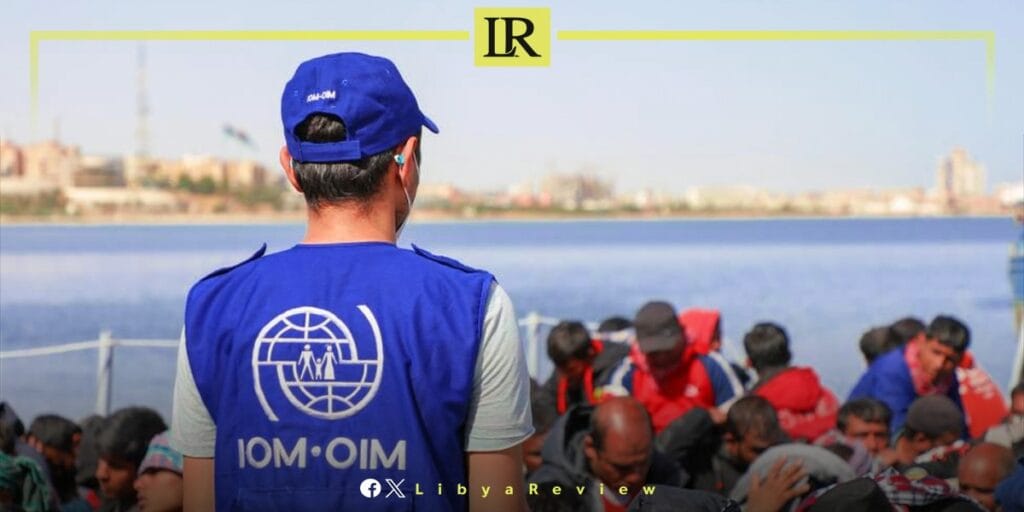
The International Organization for Migration (IOM) announced that 496 migrants voluntarily returned from Libya to their home countries this week through three humanitarian flights organized under its Voluntary Humanitarian Return program.
According to the organization, the operation included 151 migrants departing from Sebha to Cotonou and Accra, 174 migrants traveling from Tripoli to Islamabad, and 171 migrants leaving Benghazi for Dhaka.
The flights were coordinated as part of ongoing international efforts to support stranded migrants seeking safe and voluntary return options.
The IOM confirmed that all beneficiaries received medical assistance and protection support before and during the return process to ensure safe and dignified travel conditions.
The organization also highlighted the contribution of the European Union and several European countries, including Italy, Sweden, the Czech Republic, and Greece, which provided support for the operation.
The latest humanitarian flights reflect the continuing migration challenges facing Libya, which remains one of the main transit countries for migrants attempting to reach Europe through the Central Mediterranean route.
International organizations continue to describe the route as one of the world’s most dangerous migration corridors due to repeated shipwrecks, trafficking networks, and difficult humanitarian conditions.
Humanitarian agencies have repeatedly warned about the risks migrants face inside Libya, including detention, exploitation, human trafficking, and unsafe sea crossings. Voluntary return operations are considered part of broader international programs aimed at reducing humanitarian risks while assisting migrants who choose to return home.
The IOM continues to work with Libyan authorities and international partners to organize return flights and provide humanitarian support for migrants across different parts of the country.
Officials say these operations are intended to offer safer alternatives for vulnerable migrants while supporting reintegration efforts in their countries of origin.
Observers note that migration remains one of the most sensitive challenges facing Libya and the wider Mediterranean region, with international organizations continuing to call for stronger humanitarian cooperation and long-term solutions to address the root causes of irregular migration.

