
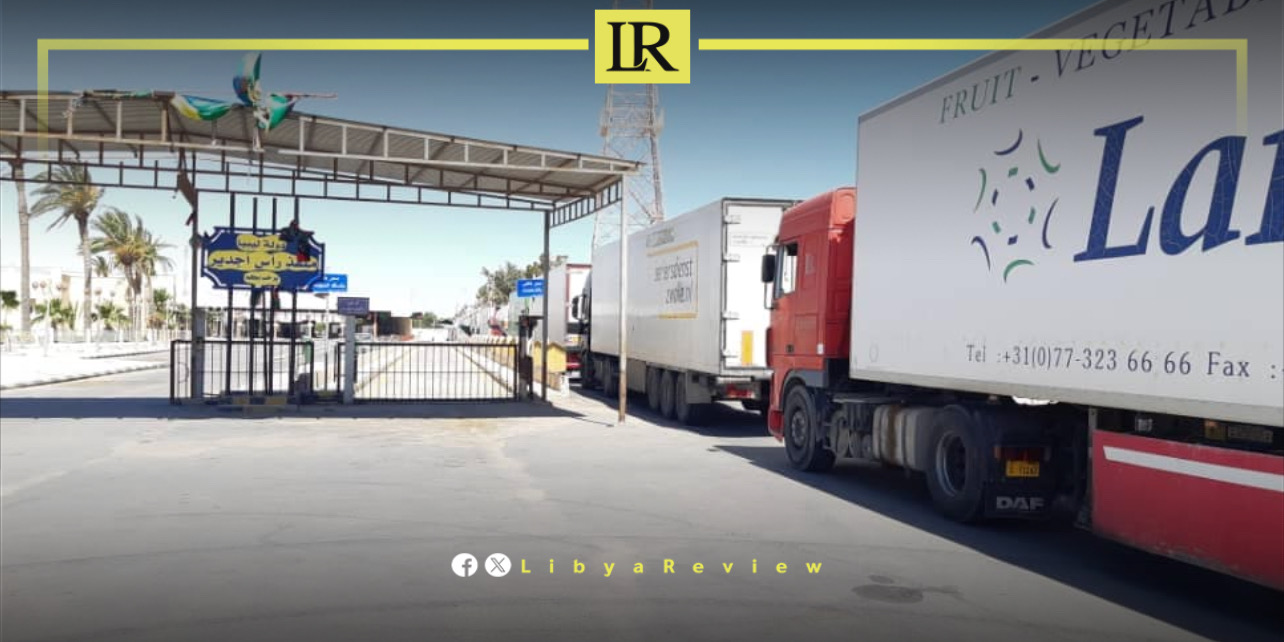
Trade between Libya and Tunisia recorded solid growth in 2025, with bilateral exchange rising by nearly 11% compared with 2024, according to data released by the Export Promotion Centre (CEPEX). The total value of trade reached approximately 2.89 billion Tunisian dinars, reflecting strengthening economic ties between the two North African neighbours.
Tunisian Exports Drive Growth
Tunisian exports to Libya accounted for the largest share of this volume, estimated at around 2.46 billion Tunisian dinars. The figures highlight sustained Libyan demand for Tunisian goods and underline the resilience of cross-border commercial relations despite regional economic challenges.
The data points to Libya remaining one of Tunisia’s key export markets, supported by geographic proximity and long-standing trade links. The steady rise in exports also signals improving supply chains and growing confidence among businesses operating between the two countries.
Industrial Sectors Lead Exports
Mechanical and electrical industries topped the list of Tunisian exports to Libya, making up 37.2% of the total. These were followed by diversified industries at 35.5%, while the agricultural sector accounted for 27.3%.
This distribution reflects a balanced export structure, with both industrial and agricultural goods playing a significant role in meeting Libyan market needs. The diversity also suggests expanding opportunities for Tunisian manufacturers and producers seeking to deepen their presence in Libya.
Wide Range of Goods Supplied
Key exports to Libya included cement, drilling machinery spare parts, animal feed, diapers, and corn oil derivatives. The range of products underscores the breadth of Tunisia’s export base and its ability to supply essential goods across construction, agriculture, and consumer sectors.
The continued expansion of trade is expected to further strengthen economic cooperation, with both countries likely to benefit from increased market integration and sustained demand across multiple industries.

