
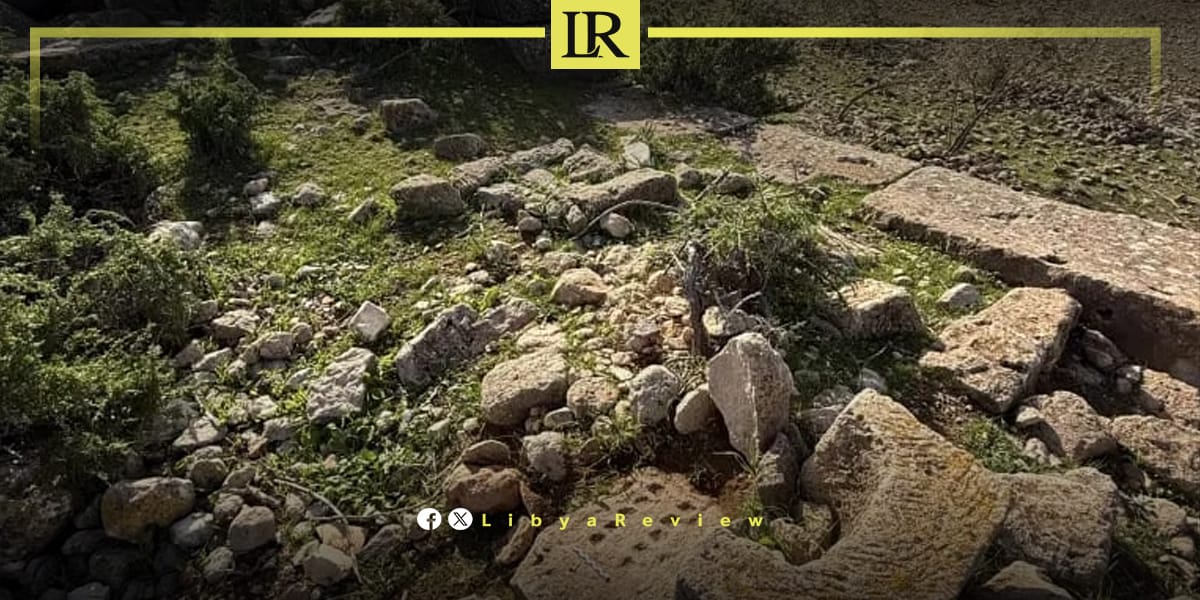
Archaeologists working in eastern Libya have uncovered more than 100 ancient game boards carved into stone at the ruins of Ptolemais, offering rare insight into daily life long after the city’s decline.
The discovery, led by Zofia Kowarska, highlights simple leisure activities rather than monumental structures. Researchers say the carvings, etched into limestone blocks and walls, were likely used by shepherds who occupied the abandoned site centuries after its fall.
Located in the historic region of Cyrenaica, Ptolemais was founded during the Hellenistic period and later became a major urban centre. It declined following the Arab conquest in the 7th century and was eventually abandoned.
Excavations resumed in 2023 after years of disruption caused by conflict in Libya. Since then, teams from the University of Warsaw have been exploring several parts of the site, including elevated ruins and nearby coastal areas.
The game boards vary in size and design. Some are simple three-by-three grids, while others extend to larger patterns such as five-by-five or seven-by-seven layouts. Many are clustered together, suggesting they were widely used rather than isolated carvings.
Researchers say dating the boards is difficult, as they lack clear archaeological context. However, evidence suggests they were created after the city had already lost its original function, transforming it into a reused landscape.
Similar board patterns have been found across North Africa and the Middle East, pointing to shared gaming traditions. Some resemble mancala-style games, while others echo simple strategy games similar to tic-tac-toe.
Archaeologists believe the boards were used by shepherds who grazed animals in the area. Their placement on elevated ruins suggests they served both recreational and practical purposes, allowing players to watch their herds while passing time.
The findings offer a quieter perspective on history in Libya, focusing on ordinary routines rather than grand architecture.

