
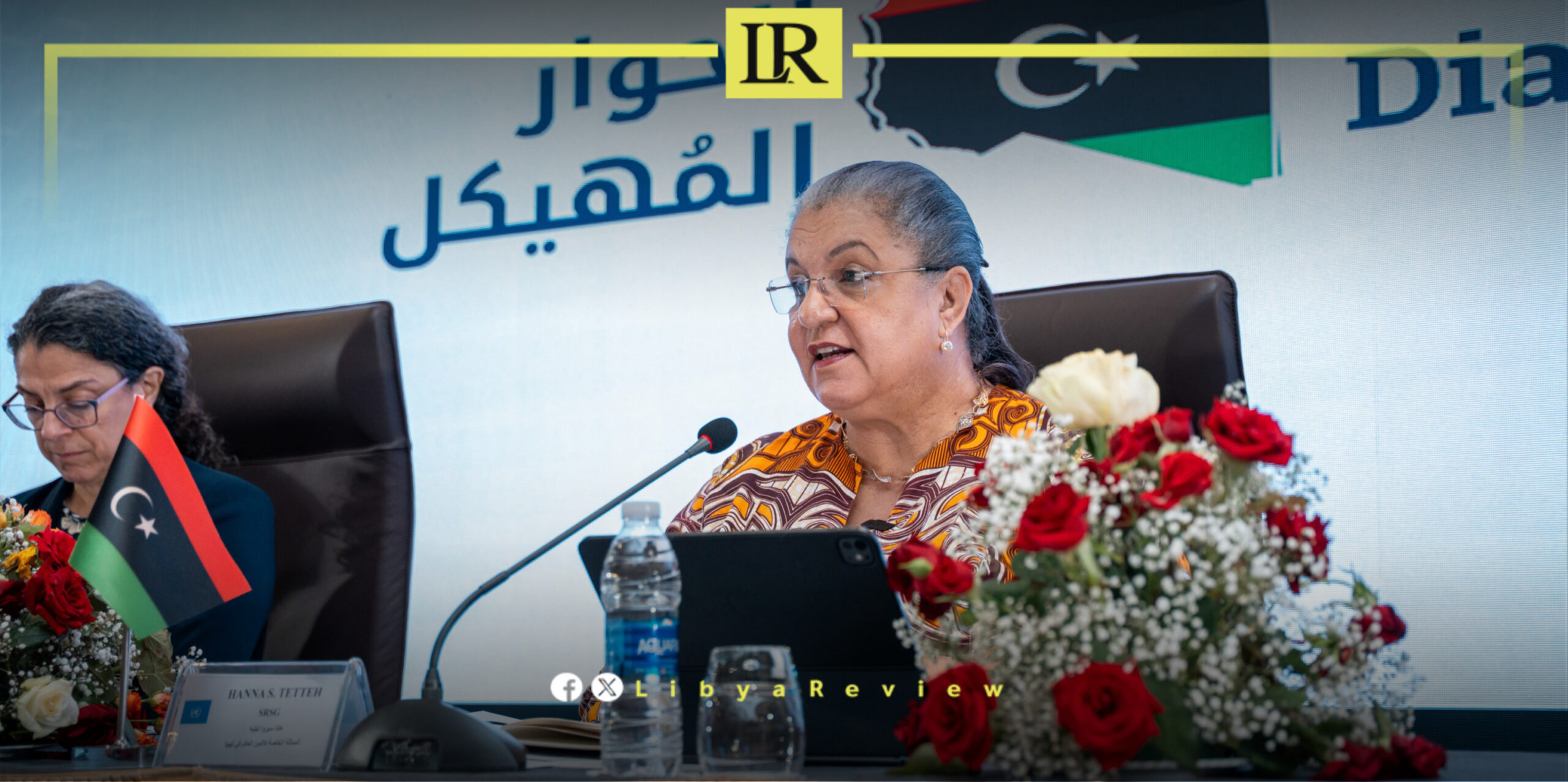
Libya is facing growing economic risks that could develop into a full-scale financial crisis unless urgent reforms are implemented, according to a report presented during a United Nations-backed economic dialogue in Tripoli.
The report, prepared as part of the Economic Track of the Structured Dialogue process, paints a troubling picture of the country’s financial situation. It highlights deep structural imbalances that continue to undermine economic stability and limit prospects for sustainable growth.
One of the report’s central concerns is Libya’s overwhelming dependence on oil revenues, which account for more than 98 percent of state income. Despite generating substantial revenue from the energy sector, the country continues to devote a large share of public spending to salaries and subsidies, while investment in development projects remains relatively limited.
Fuel subsidies were identified as a major burden on public finances. The report noted that billions of dollars have been spent on fuel support in recent years, while fuel imports have risen sharply, increasing pressure on government resources and creating opportunities for waste and smuggling.
The report also pointed to a range of long-standing economic challenges, including weak private-sector activity, hidden unemployment, an expanding informal economy, and a mismatch between education outcomes and labor market demands. These issues have contributed to slowing economic diversification and increasing reliance on public-sector employment.
Among the most significant risks highlighted are inflation, currency depreciation, rising poverty levels, growing public debt, and declining purchasing power. The report warned that if current policies remain unchanged, these trends could intensify over the coming years, placing additional strain on households and public institutions.
Large volumes of cash circulating outside the banking system were also identified as a concern, reducing the effectiveness of monetary policy and limiting the ability of financial institutions to support economic activity.
To address these challenges, the report called for comprehensive reforms, including stronger financial oversight, subsidy restructuring, debt management, anti-corruption measures, improved transparency in oil revenue management, and greater support for private-sector development.
The report concluded that decisive action is needed to prevent further deterioration and place Libya on a more sustainable economic path capable of delivering long-term stability and growth.

