
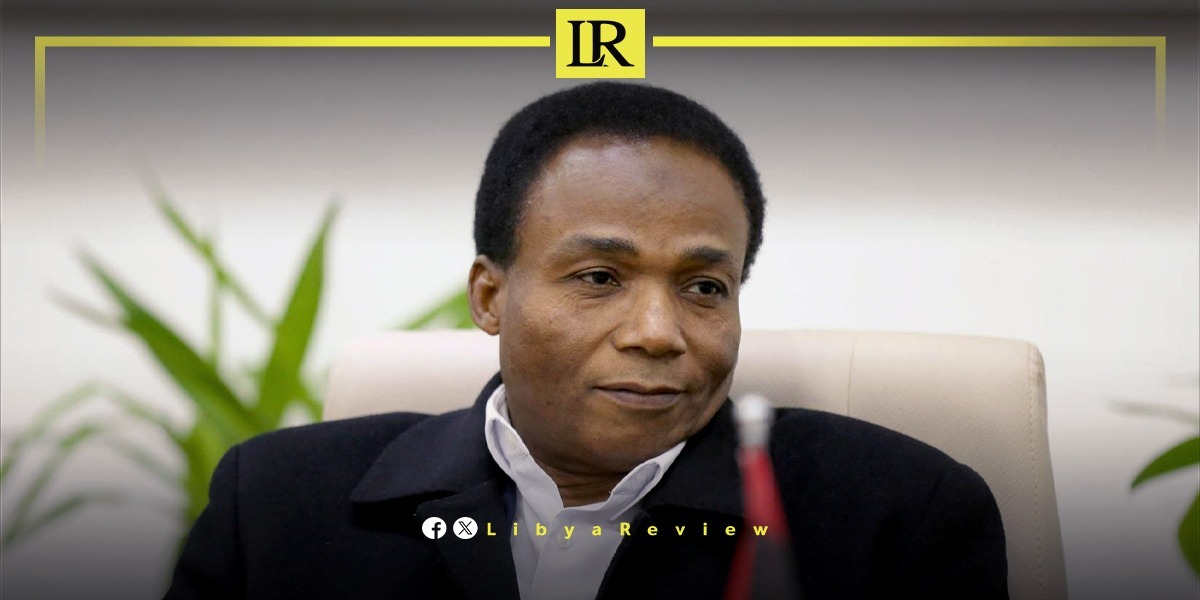
Libyan Member of Parliament Jeballah Al-Shibani has stated that neither the executive authority nor municipal administrations have the legal power to establish administrative regions or redraw administrative boundaries without approval from the legislative authority and in accordance with constitutional provisions.
Al-Shibani said any decision involving the creation of a new region or changes to Libya’s administrative divisions directly affects national sovereignty and the country’s territorial integrity. He argued that such measures require legislative approval and cannot be imposed through executive decisions.
According to the lawmaker, any attempt by a government or municipality to create a region or alter administrative boundaries without legal authorization would be unconstitutional and legally void. He added that such actions could be challenged before the courts because they may undermine national unity and state sovereignty.
Al-Shibani warned against initiatives aimed at securing political, administrative, or financial advantages for specific areas, saying Libya currently needs greater unity and national cohesion rather than policies that could deepen divisions.
The parliamentarian also referred to a legal dispute involving the municipality of Tawergha. He noted that the municipality successfully challenged a decision issued by Prime Minister Abdel-Hamid Dbaiba that had placed Tawergha under the administration of Misrata Municipality. According to Al-Shibani, the court ruled in favour of Tawergha and ordered the cancellation of the decision.
He said the ruling is final and legally binding and is expected to be implemented in the near future. However, he expressed concern over what he described as attempts to circumvent judicial rulings or delay their implementation.
Al-Shibani stressed that respect for the rule of law and judicial decisions is essential for the functioning of the state. He argued that failure to uphold court rulings would pose a direct threat to stability, institutional credibility, and social peace in Libya.
His remarks come amid continuing debates over local governance, administrative authority, and the distribution of powers between Libya’s national institutions and municipal administrations.

