
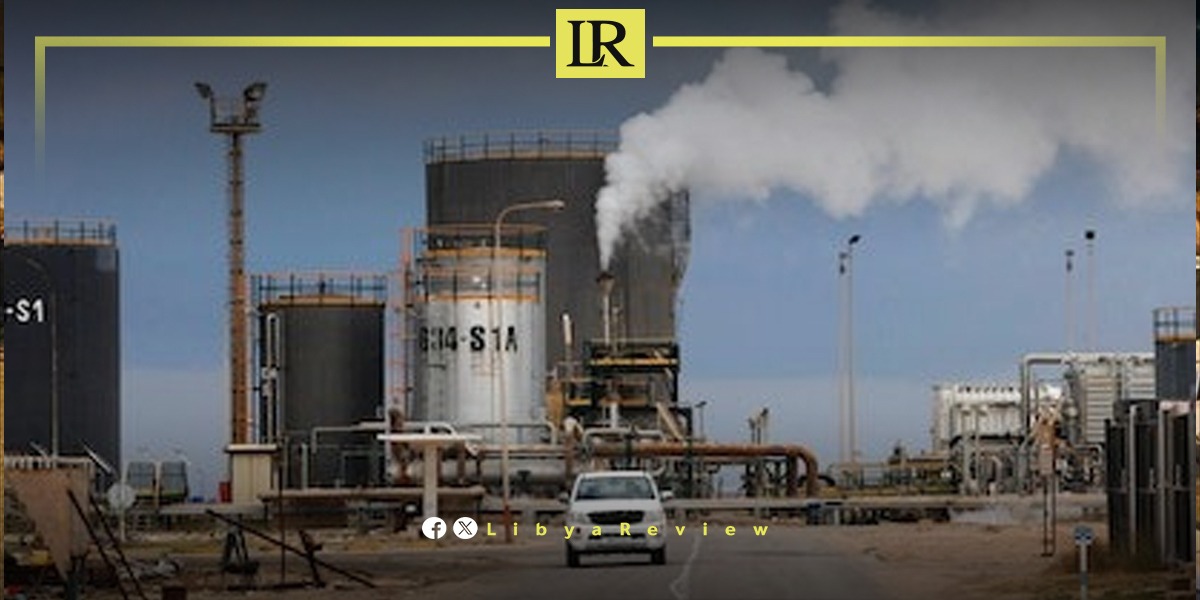
Libya’s National Oil Corporation (NOC) has signed a series of production-sharing agreements with several major international energy companies, marking a significant milestone following the country’s first oil and gas licensing round in nearly 18 years.
NOC Chairman Masoud Suleman announced that the agreements were concluded with many leading global firms, including Spain’s Repsol, Türkiye’s state-owned energy company Türkiye Petrolleri, Italy’s Eni, and QatarEnergy. Additional agreements were also signed with a consortium comprising Hungary’s MOL Group, Türkiye Petrolleri, and Repsol.
The agreements follow Libya’s 2025 licensing round, the first competitive bidding process launched by the NOC since 2007. The initiative was designed to attract international investment, expand exploration activities, and support the long-term development of Libya’s oil and gas sector.
According to Suleman, the new agreements reflect increasing confidence among international investors in Libya’s energy industry and its future potential. He noted that the partnerships will contribute to expanding exploration operations, developing new resources, and increasing production levels across the country.
The NOC is pursuing an ambitious strategy to raise Libya’s oil production capacity to 2 million barrels per day in the coming years. Current production stands at approximately 1.4 million barrels per day, making investment in exploration and field development a central component of the corporation’s growth plans.
The licensing round attracted strong interest from international energy companies despite Libya’s continuing political divisions. Earlier this year, exploration blocks were awarded to several major firms, including Chevron, Eni, QatarEnergy, and Repsol, highlighting the attractiveness of Libya’s vast hydrocarbon reserves.
Energy officials view the newly signed agreements as a key step toward revitalizing the sector, increasing foreign investment, and unlocking additional oil and gas resources. The deals are also expected to strengthen Libya’s position in global energy markets and contribute to economic growth by increasing production and generating future revenue.

