
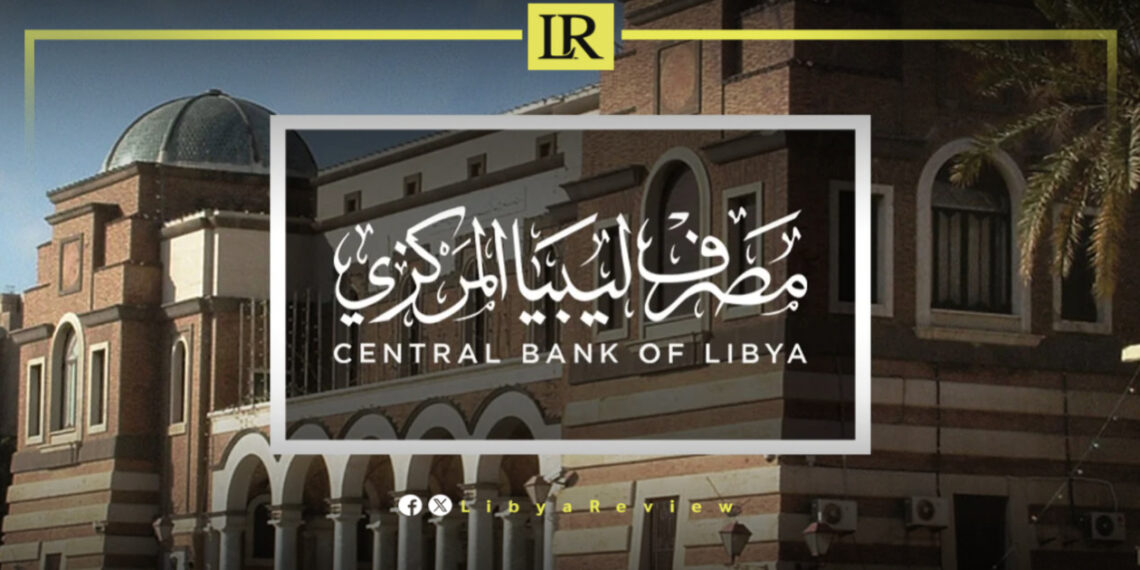
Interest in the Central Bank of Libya has surged in recent days as the institution found itself at the centre of both a cybersecurity incident and a series of major monetary policy moves affecting foreign exchange and liquidity in the country.
According to media sources, the Central Bank’s digital infrastructure was targeted in a coordinated and limited cyberattack that caused temporary disruption to key electronic services. The incident reportedly affected the online system used by citizens to book foreign currency allocations for personal use, triggering concern among users and traders who rely heavily on digital banking platforms for daily transactions.
The bank’s technical teams and information technology department immediately declared a state of high alert and worked to contain the breach. Officials confirmed that the situation was brought under control without any evidence of data leaks involving financial records or customer accounts, underscoring the resilience of the bank’s cybersecurity systems.
Following the stabilisation of its digital infrastructure, the Central Bank of Libya announced the resumption of its foreign currency booking platform. The system reopened with improved performance, handling a high volume of applications from citizens seeking access to their personal foreign currency allocations. The platform’s recovery was accompanied by efforts to streamline appointment scheduling and reduce pressure on commercial banks.
At the same time, the Central Bank continued implementing broader monetary measures aimed at stabilising the exchange rate market and limiting the influence of the parallel currency market. These measures included substantial foreign currency sales in official auctions, designed to meet import demand and support pending letters of credit.
Economic reports indicate that policymakers are also considering adjustments to annual personal currency allowances and expanding access to cash allocations for medical treatment and education abroad. These developments have contributed to a relative stabilisation in the foreign exchange market and a modest strengthening of confidence in the Libyan dinar.
Despite the disruption caused by the cyber incident, the Central Bank’s swift response and continued monetary interventions highlight its central role in maintaining financial stability in Libya’s evolving economic landscape.

