
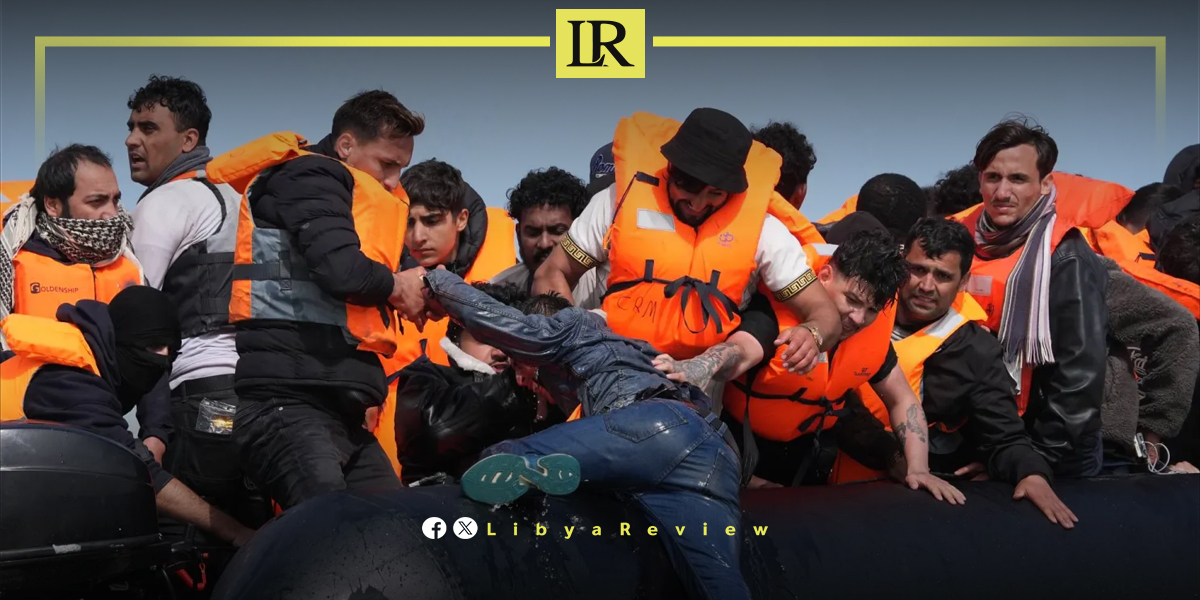
Libyan authorities have recovered 11 additional bodies of migrants from the coastline near Tobruk, raising the death toll from last week’s boat disaster to 26 as search efforts continue and dozens are still feared missing.
According to medical and security sources, the bodies were found along the eastern Libyan coast over the past several days after a migrant boat capsized in the Mediterranean Sea.
The latest recoveries come after authorities announced last week that 15 bodies, including that of a young girl, had been found in different locations along the Tobruk shoreline.
Officials said 10 survivors were rescued following the incident. According to their testimonies, the vessel was carrying around 61 migrants when it sank while attempting the dangerous crossing toward Europe.
The additional victims were discovered after rescue teams recovered the body of a woman on Sunday. Security forces and search teams have continued patrolling the coastline amid concerns that more bodies may be carried ashore by currents in the coming days.
Images released by the Tobruk Coast Guard showed members of search-and-rescue units working alongside volunteers from the Libyan Red Crescent to recover the victims. The bodies were wrapped in white shrouds before being transported for burial.
Medical officials reported that all of the recovered bodies were in an advanced state of decomposition after spending several days at sea. Due to the condition of the remains, authorities said burial procedures are usually carried out within hours or a day of recovery.
The tragedy is the latest in a series of deadly incidents involving migrants attempting to cross the Mediterranean from North Africa to Europe. Libya remains one of the main departure points for migrants and refugees, particularly those from sub-Saharan Africa, seeking better economic opportunities or fleeing conflict and instability in their home countries.
Despite ongoing efforts to combat human smuggling networks and improve maritime surveillance, dangerous sea crossings continue. Overcrowded and poorly equipped boats remain widely used by traffickers, exposing thousands of migrants each year to significant risks.

