
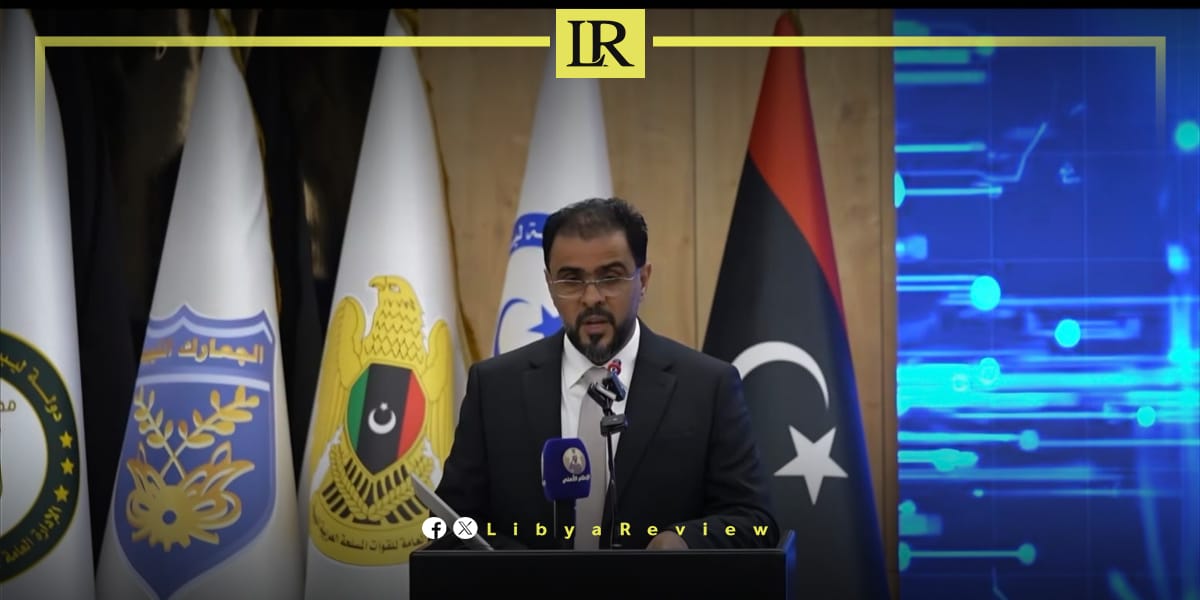
Prime Minister Osama Hammad of Libya’s eastern-based government has called for a united national effort to combat drug trafficking, warning that narcotics pose a serious threat to the country’s social fabric and future generations.
Speaking during an event marking the International Day Against Drug Abuse and Illicit Trafficking, Hammad said tackling the spread of drugs is a shared national responsibility that requires cooperation between all state institutions.
He stressed the importance of strengthening coordination among security agencies, judicial authorities and relevant institutions to protect Libyan society from the growing dangers of drug trafficking and organised crime.
“The fight against drugs is not the responsibility of one institution alone but a national duty that requires collective action and sustained cooperation,” Hammad said.
The prime minister also highlighted the connection between security, development and social stability, saying that Libya is continuing to implement development and reconstruction projects while simultaneously reinforcing the foundations of security and stability.
According to Hammad, these efforts are essential to protecting Libya’s youth, whom he described as the cornerstone of the country’s future and a key driver of national development.
He praised the efforts and sacrifices made by Libya’s security, military and judicial institutions in confronting drug trafficking networks and organised criminal groups operating across the country.
Hammad further stressed that raising public awareness and strengthening prevention programmes represent the first line of defence against the spread of narcotics and other social threats.
Libya has faced increasing concerns over organised crime and drug trafficking in recent years, with authorities repeatedly warning that criminal networks seek to exploit the country’s security and economic challenges.
The eastern-based administration has repeatedly pledged to intensify efforts to combat drug-related crimes while promoting development initiatives aimed at providing greater opportunities and stability for Libya’s younger generation.

