
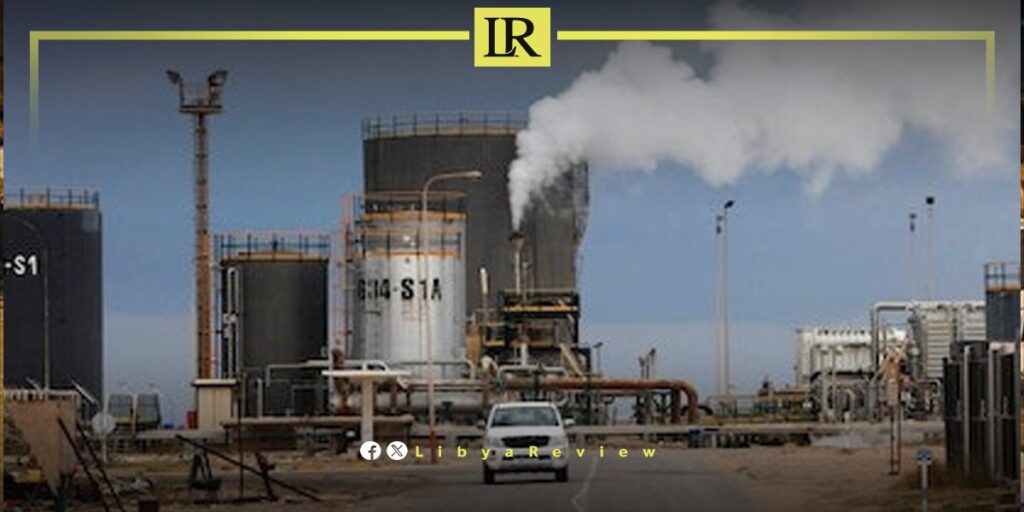
Libya has lowered the official selling price of its flagship Es Sider crude for the current month, pricing the grade at 30 cents per barrel below the benchmark Brent crude price, according to the latest official export pricing schedule.
The adjustment marks the lowest official price for Es Sider crude since June 2025, Bloomberg reported. Last month, the grade was priced at a premium of $1.30 per barrel above Brent, highlighting a sharp shift in Libya’s export pricing strategy.
Es Sider is one of Libya’s most important export grades and is widely regarded as one of the highest-quality crude oils produced by members of the Organization of the Petroleum Exporting Countries (OPEC). Its light, low-sulphur characteristics make it highly attractive to international refiners, particularly for producing diesel and petrol.
The revised pricing comes as Libya continues efforts to maintain strong export volumes while responding to changing conditions in global oil markets.
At the same time, Libya also reduced the official selling price of Sharara crude. The country set the grade at a premium of 50 cents per barrel above Brent for the current month, compared with a premium of $1.50 per barrel above Brent in June.
The pricing adjustments reflect changing market dynamics and demand for Libyan crude grades, which remain an important source of supply for European and Mediterranean refiners due to their high quality and favourable refining characteristics.
Libya has recently increased crude production to its highest level since 2013 as the National Oil Corporation pursues a strategy aimed at raising output to 1.5 million barrels per day by the end of 2026.
Despite the lower official selling prices, Libyan crude remains among the most competitive grades in the Mediterranean market, with Es Sider and Sharara continuing to play a central role in the country’s oil exports and revenue generation.
The latest pricing decisions are expected to be closely watched by international traders and refiners as global oil markets continue to respond to supply, demand and geopolitical developments.

