
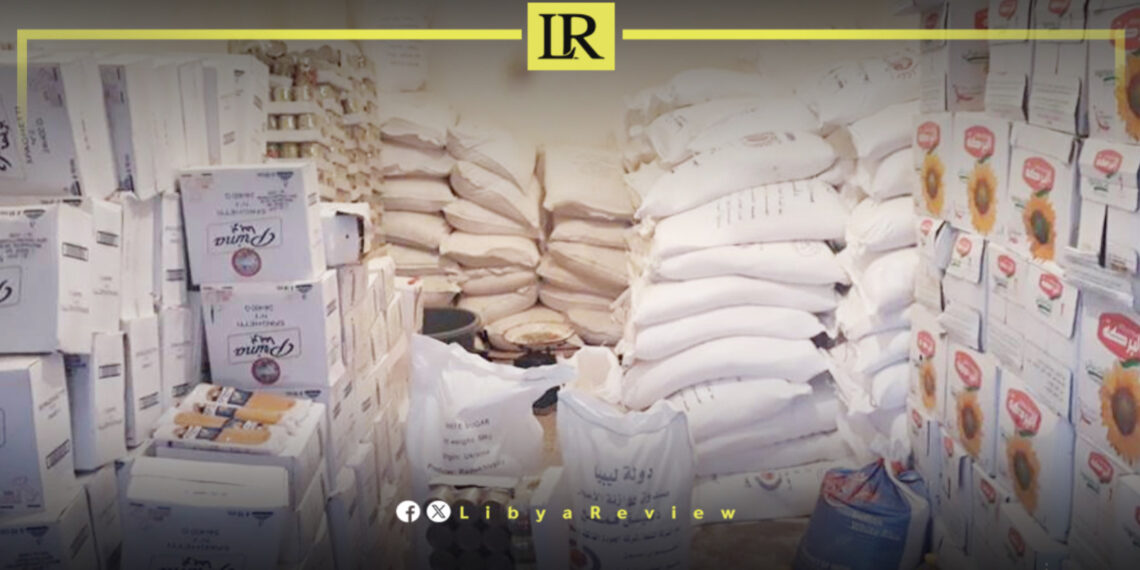
Libya’s cereal production is expected to decline by around 20% in 2026 compared with the five-year average, while grain imports are projected to rise above normal levels to meet domestic demand, the Food and Agriculture Organization of the United Nations (FAO) said.
In a report published on Sunday through the ReliefWeb platform, the FAO said Libya’s winter wheat and barley harvest, which began in May, was severely affected by dry weather during the planting season between October and November 2025.
The agency said below-average rainfall delayed sowing operations and reduced cultivated areas across much of the country. Although rainfall improved from March onwards, precipitation remained well below normal in eastern Libya, particularly in the Green Mountain region, one of the country’s main cereal-producing areas.
The FAO estimated Libya’s total cereal production for 2026 at around 150,000 tonnes, representing a decline of approximately 20% compared with the average harvest recorded over the previous five years.
The weaker domestic harvest is expected to increase Libya’s dependence on imported grain. The organisation forecasts total cereal imports during the 2026-2027 marketing year, running from July to June, at around 3.3 million tonnes, about 7% above the average level.
Wheat imports alone are projected to reach 1.5 million tonnes, approximately 12% higher than normal, reflecting Libya’s continued reliance on international markets to meet food consumption needs.
The FAO also warned that food prices remain under inflationary pressure. Food inflation rose by around 18% year-on-year in May 2026, driven partly by a 15% depreciation of the Libyan dinar compared with the same period last year, increasing the cost of imported food products.
The report added that ongoing political and economic instability continues to undermine livelihoods and access to essential services.
On the humanitarian front, the FAO noted that more than 110,000 refugees were registered in Libya as of April 2026, citing data from the United Nations High Commissioner for Refugees. It warned that funding shortages continue to limit humanitarian assistance for vulnerable groups, including refugees, migrants and internally displaced people.
The report comes as Libyan authorities pursue measures to strengthen food security by expanding domestic cereal production, improving irrigation infrastructure and establishing a dedicated national grain reserve system. However, climate variability and heavy dependence on food imports remain among the country’s most significant long-term challenges.

