
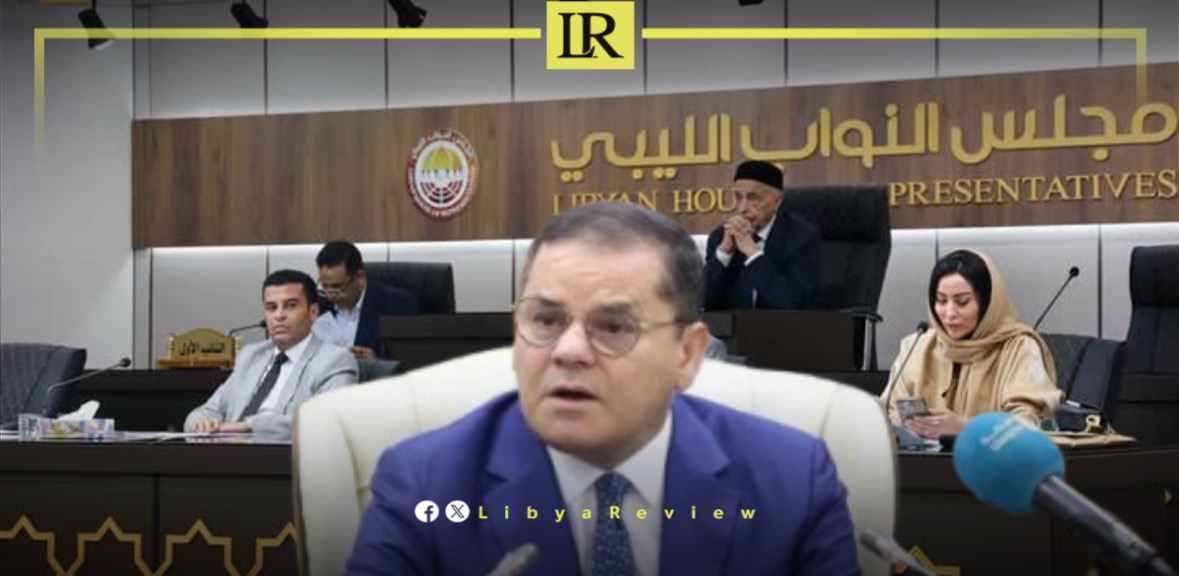
As Libya’s House of Representatives convened in Benghazi on May 5, to build on growing international momentum toward forming a unified government, efforts to derail this process emerged almost in parallel.
Rather than engaging constructively in national reconciliation, actors aligned with the Tripoli-based authorities appeared to turn to media manipulation, launching coordinated misinformation campaigns aimed at distorting public perception, discrediting eastern-led initiatives, and undermining the credibility of the unification effort.
In an age where digital media drives political narrative, such tactics are not new—but they are increasingly dangerous. Disinformation, when strategically deployed, has the power to erode public trust, inflame divisions, and paralyze political progress.
In Libya, these media campaigns are being used not to clarify truth or engage in democratic debate, but to distract, confuse, and polarize. The content is often fabricated or selectively framed to portray Benghazi-based institutions as illegitimate, in an effort to weaken national and international support for the unity track.
This strategy preys on public fatigue and political uncertainty. By spreading sensationalist or misleading content at key political moments, the aim is to obscure the real momentum toward unity and shift attention toward artificial crises. The result is an information space cluttered with contradictions, where citizens struggle to distinguish fact from fiction—and where national priorities are buried under partisan noise.
These efforts are not organic. They are orchestrated and timed to coincide with critical stages of Libya’s political dialogue. Their objective is clear: to fracture emerging consensus and maintain the status quo of division. By turning public discourse into a battlefield of perception, those resisting unity seek to dominate the narrative, not by persuasion, but by distortion.
Such tactics must be exposed and challenged to protect Libya’s path forward. The public must be equipped to question sources, demand facts, and reject the exploitation of media as a weapon of division. If Libya is to succeed in building unified, credible institutions, it must first win the battle for truth.

