
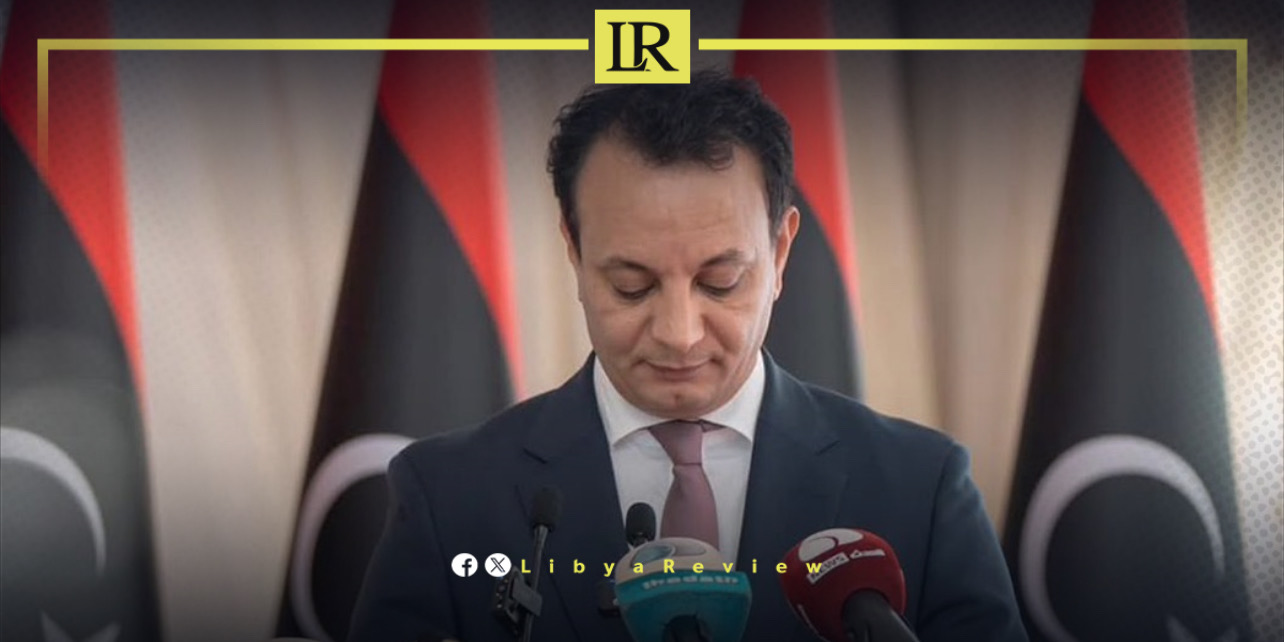
Belgassem Haftar, Director General of the Libya Development and Reconstruction Fund, has announced plans to launch a series of development projects in Libya’s Wahat region, emphasizing that the area has suffered from years of development neglect despite its major contribution to the country’s economy.
Haftar said the Al Wahat region is among Libya’s most important oil-producing areas, accounting for nearly two-thirds of the country’s oil production. Despite this strategic role, he noted that the region’s infrastructure has deteriorated significantly over the years, with visible shortcomings affecting roads, schools, hospitals, and other basic services needed by residents.
According to Haftar, the reconstruction fund will begin implementing several development projects in the Al Wahat region following the Eid al-Fitr holiday. These projects are intended to address long-standing service gaps and respond to the needs of local communities.
He explained that the upcoming projects will focus on improving public infrastructure and strengthening essential services, to raise living standards and support sustainable development in the region. The projects will target sectors such as transportation, healthcare, education, and municipal services.
Haftar described the situation in Wahat as a development imbalance, noting that while the region holds significant natural resources beneath the ground due to its oil wealth, it has received limited attention in terms of development and infrastructure above the ground. He stressed that this imbalance cannot continue if Libya aims to ensure fair and balanced development across its regions.
He added that restoring the Wahat region to its rightful position requires serious commitment from state institutions and coordinated efforts to improve infrastructure and public services. According to Haftar, addressing the needs of historically neglected regions is an essential step toward achieving national development.
Haftar also pointed to reconstruction work carried out over the past two years in several eastern Libyan cities, including Derna, Benghazi, Al-Bayda, Tobruk, Al-Marj, and Ajdabiya. He said these projects demonstrate that determined planning and sustained work can produce meaningful improvements in infrastructure and public services.
He concluded that the next phase of the reconstruction program will place greater emphasis on regions that have long suffered from development neglect, with the Al Wahat area expected to be among the top priorities.

