
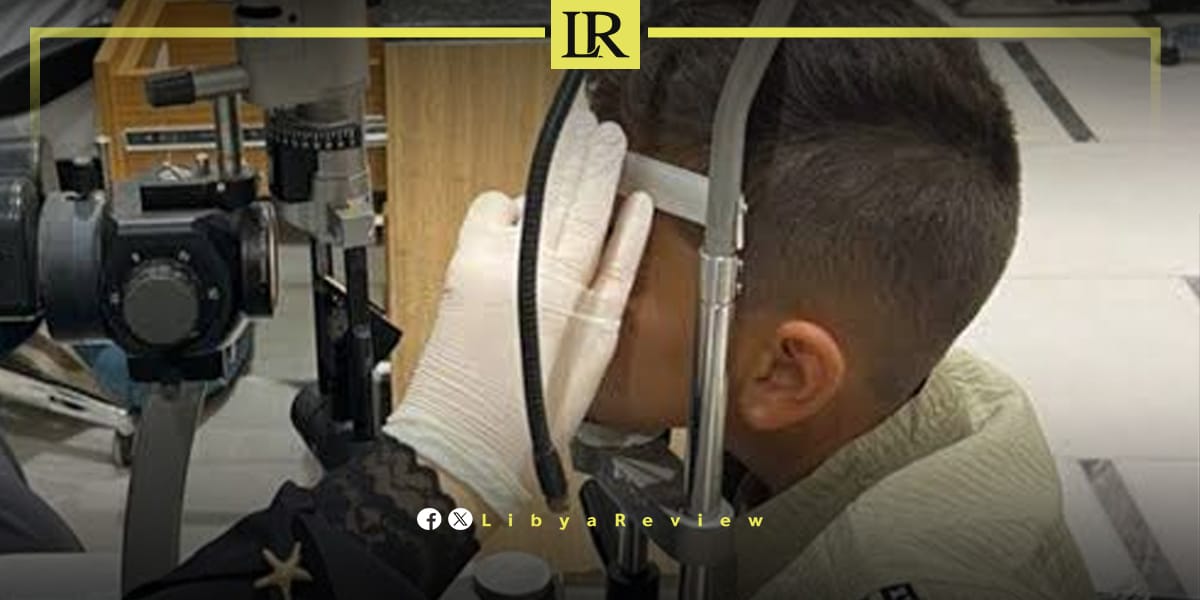
Hospitals in Libya have reported a surge in toy gun-related eye injuries among children during the first days of Eid al-Fitr, raising renewed concerns over the safety of pellet guns and hazardous toys. Medical facilities in both Tripoli and Ajdabiya confirmed dozens of cases, many involving serious eye trauma.
Dozens of Eye Injuries Reported in Tripoli
The Eye Hospital in Tripoli announced that it received more than 70 cases of eye injuries caused by pellet guns and similar toys. Emergency and trauma units handled the influx of patients, most of whom were children injured while playing during Eid celebrations.
Doctors stated that while many injuries were minor and treated with follow-up care, several cases required hospitalization for further medical attention. The hospital emphasized that it remained fully operational throughout the holiday, noting that it is the primary facility in western Libya equipped to handle such eye injuries.
Ajdabiya Records Over 44 Cases in Two Days
In eastern Libya, Al-Maqrif Teaching Hospital in Ajdabiya reported more than 44 eye injury cases within just two days. According to Dr. Mustafa Shuaib, head of the ophthalmology department, the injuries ranged from severe bleeding to corneal damage.
Medical staff expressed concern over the growing number of incidents linked to pellet guns, especially among children, highlighting the lack of awareness regarding the risks associated with these toys.
Doctors Warn of Permanent Vision Loss Risks
Health officials warned that some injuries could lead to long-term complications, including permanent vision loss. Specialists stressed that pellet guns, often marketed as harmless toys, can cause serious harm when misused.
Doctors urged parents to be more cautious when purchasing toys, particularly during festive seasons, and to avoid items that may pose a threat to children’s safety.
Growing Calls for Awareness and Regulation
The rise in Libya toy gun injuries has sparked calls for increased public awareness and stricter regulation of dangerous toys in local markets. Medical professionals continue to advocate for preventive measures to reduce such incidents in the future, especially during holidays when children are more likely to use these items.

