
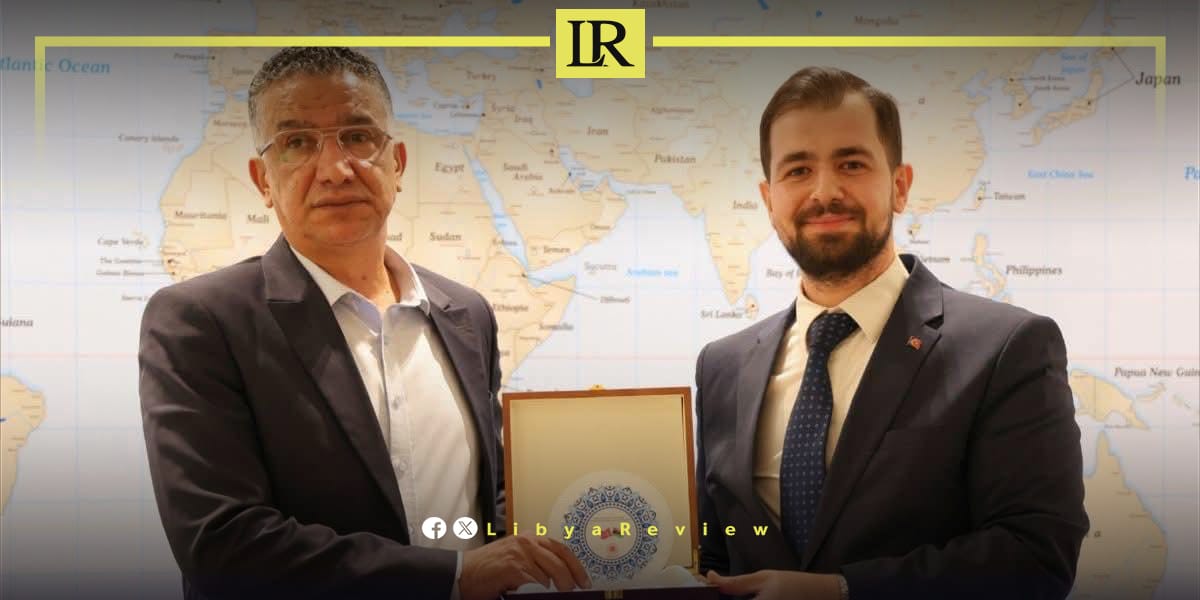
The Benghazi Chamber of Commerce, Industry and Agriculture held talks on Sunday with the deputy Turkish consul in Benghazi to discuss strengthening trade cooperation and expanding the presence of Turkish products in the Libyan market.
According to a statement issued by the chamber, discussions focused on the importance of international quality standards in boosting commercial exchange between Libya and Turkey. Particular attention was given to Turkish products carrying internationally recognised ISO certifications and their potential for wider distribution in Libya under high-quality and accreditation standards.
The two sides also reviewed the growing importance of Turkish products in the Libyan market, where they continue to enjoy strong consumer confidence due to their variety and quality. Officials highlighted the longstanding diplomatic and historical relations between Libya and Turkey and their positive impact on economic and trade cooperation.
The meeting further explored mechanisms to support contracts and partnerships between Libyan and Turkish business leaders, with the aim of opening new investment opportunities and increasing trade activity between the two countries.
In February, the General Authority for Exhibitions and Conferences in Benghazi signed a memorandum of understanding with Bursa Chamber of Commerce and Industry to organise joint economic and trade exhibitions in Benghazi and Turkey.
The agreement was signed during a meeting between the Benghazi Chamber and a Turkish delegation focused on expanding economic cooperation and organising professional trade events inside and outside Turkey.
The discussions come amid growing Turkish economic interest in eastern Libya. French media outlet Radio France Internationale reported last year that Ankara was considering using Port of Benghazi as a logistics hub for exports to Central African countries.
The report followed several visits to Turkey by Saddam Haftar, deputy commander of the Libyan National Army General Command, as Ankara and eastern Libyan authorities continue expanding political and economic engagement.

