
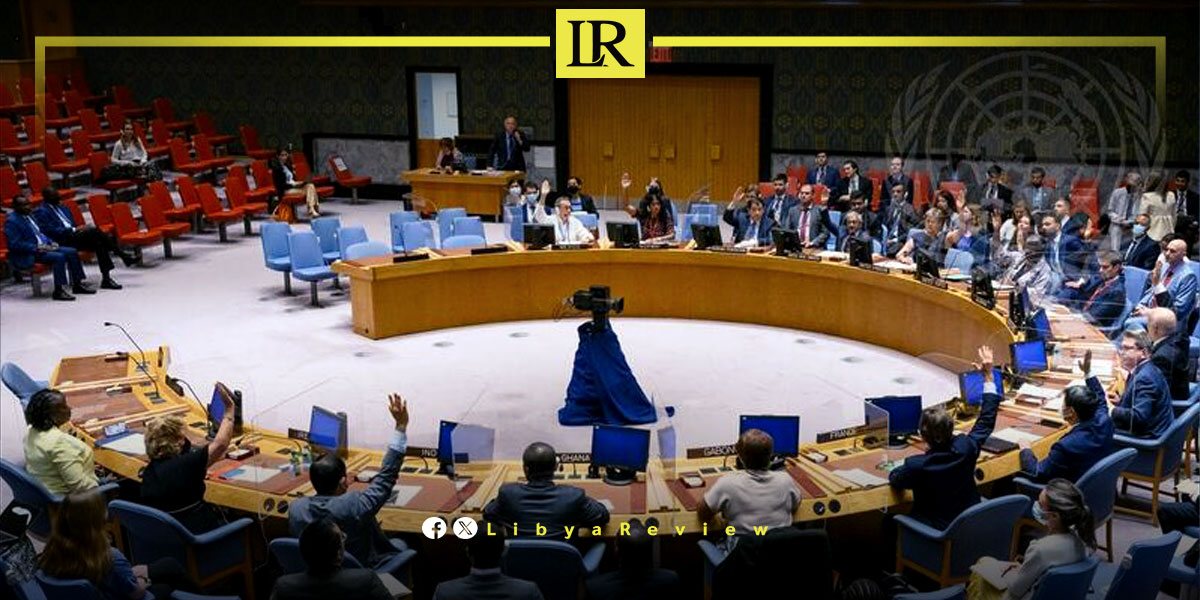
The United Nations Security Council is set to hold two key sessions on Libya this April, focusing on sanctions, illicit oil exports and broader political and economic developments in the country.
The first session, scheduled for April 14, will address the sanctions regime imposed on Libya, including discussions on renewing the mandate of the panel of experts. Council members are also expected to examine measures aimed at curbing illegal exports of Libyan oil, a persistent challenge that has impacted state revenues and economic stability.
Attention will then turn to a second session on April 22, during which Hanna Serwaa Tetteh, head of the United Nations Support Mission in Libya, will deliver a comprehensive briefing on the latest political, security and economic developments in Libya. The briefing will be followed by closed consultations among council members.
The upcoming meetings come at a critical moment, as international calls intensify for renewed momentum in Libya’s political process and clearer pathways toward stability. Managing the country’s oil resources remains a central issue, with ongoing concerns over transparency, revenue distribution and the prevention of illicit trade.
Diplomatic efforts have increasingly emphasised the importance of ensuring that Libya’s oil wealth is administered in a way that supports economic recovery and national stability, while reinforcing mechanisms to prevent illegal activities that undermine state institutions.
The Security Council’s deliberations are expected to play a significant role in shaping international engagement with Libya in the coming months, particularly as stakeholders push for progress on governance, economic reform and unified state institutions.

