
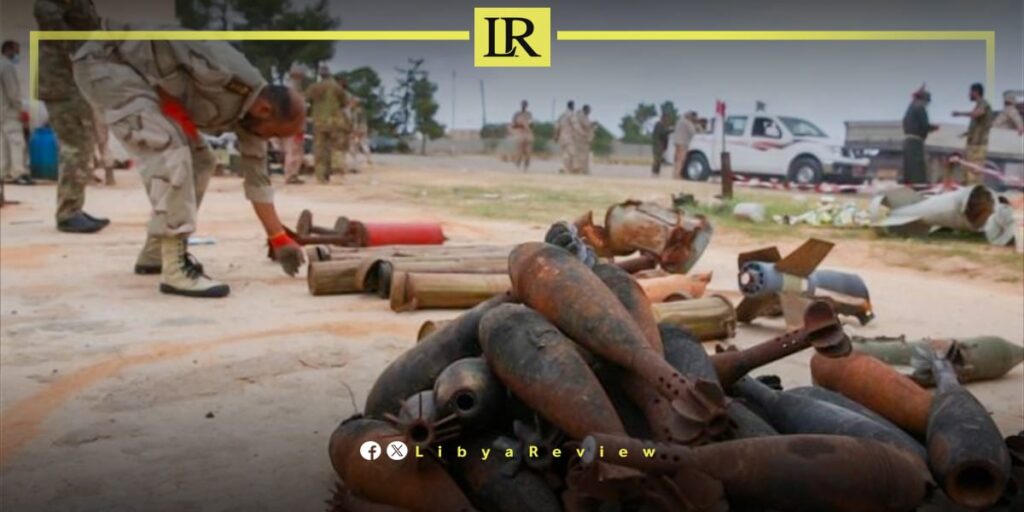
The United Nations Support Mission in Libya said 63 people were killed in mine-related incidents in 2025, including 21 children, highlighting the continued danger posed by explosive remnants of war across the country.
The mission released the figures to mark the International Day for Mine Awareness on April 4. It said casualties were linked to past armed clashes, including heavy fighting in Tripoli in May, as well as four accidental explosions in ammunition depots located in residential areas over the past two years.
A UN official said explosive contamination remains a serious risk in many parts of Libya. “Unsecured stockpiles and unexploded ordnance continue to threaten civilians, even in areas where fighting has subsided,” the mission said in a statement.
Libya has faced years of conflict since 2011. The spread of weapons and the lack of effective clearance operations have left large areas contaminated. According to UN estimates, more than 444 million square metres of land remain affected by mines and explosive remnants, some dating back to World War Two but many linked to recent conflicts.
The impact on civilians is severe. Families living near former conflict zones face daily risks. Children are among the most vulnerable, often unaware of the dangers posed by unexploded devices.
The issue also reflects Libya’s broader challenges. Political division and weak state institutions have slowed coordinated efforts to address mine contamination. This has limited the country’s ability to ensure long-term safety and stability.
Experts warn that clearing contaminated land requires significant funding, technical expertise, and sustained coordination between national authorities and international partners.
The UN has called for increased investment in demining programmes. It urged local authorities, civil society groups, and international partners to strengthen cooperation to protect civilians and reduce risks.
Without stronger action, the threat of mines and unexploded ordnance is expected to continue affecting communities and hindering recovery efforts across Libya.

