
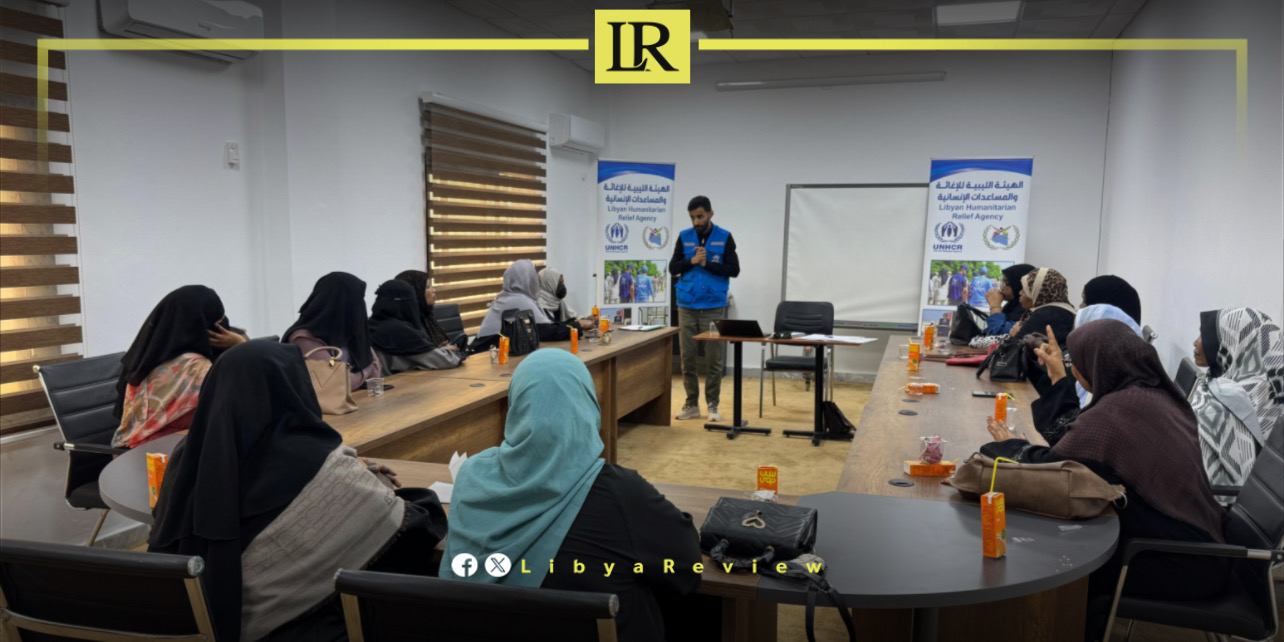
The UNHCR has stressed that listening to refugee communities is the first step toward building effective humanitarian responses, as it continues its outreach efforts in Benghazi.
In recent activities, UNHCR Libya organised group discussions with Sudanese refugee families, creating a safe and structured space for them to openly share their daily challenges, priorities, and concerns. These sessions aim to ensure that humanitarian assistance reflects the real needs of affected communities rather than assumptions made from a distance.
Participants spoke about a range of issues affecting their lives, including access to basic services, economic hardship, and uncertainty about the future. By engaging directly with families, humanitarian teams are able to gather first-hand insights that help shape more responsive and targeted support programmes.
UNHCR highlighted that such discussions are not only about collecting information but also about empowering refugees by giving them a voice in decisions that impact their lives. The agency noted that meaningful engagement builds trust and strengthens cooperation between humanitarian organisations and the communities they serve.
Libya remains a key transit and host country for refugees and migrants, many of whom have fled conflict and instability in neighbouring regions, particularly Sudan. In cities like Benghazi, growing numbers of displaced families face ongoing challenges linked to housing, healthcare, and livelihoods.
By prioritising dialogue and community participation, UNHCR aims to design assistance strategies that are grounded in reality and capable of addressing the most urgent needs. The agency reaffirmed that listening to refugees first is essential to delivering effective, sustainable humanitarian support in Libya.

