
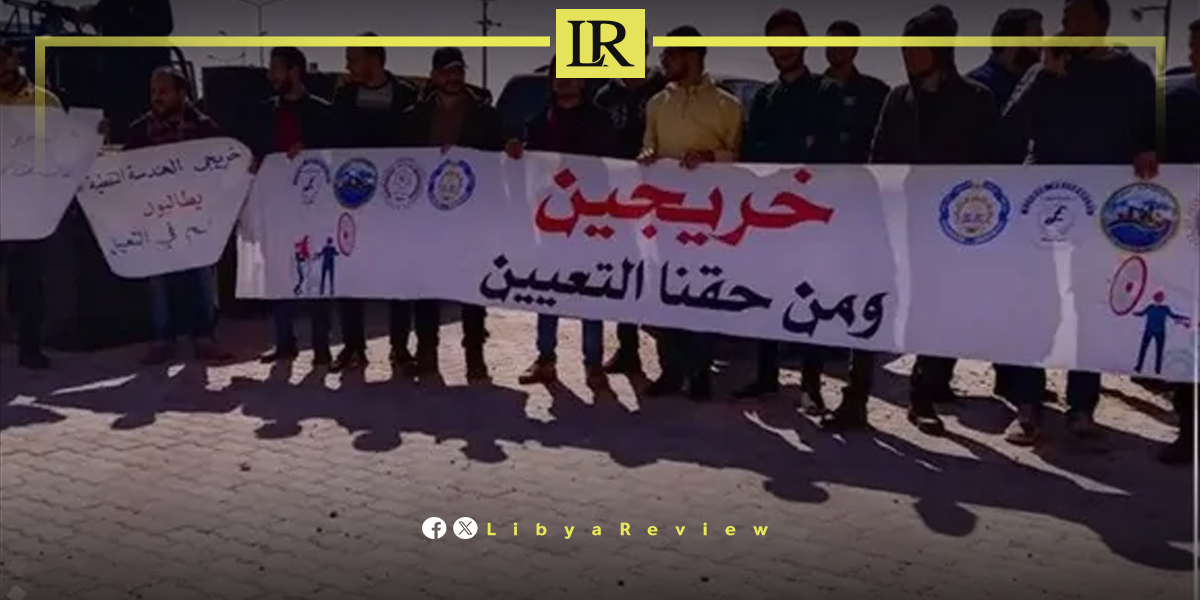
Despite its vast oil wealth and strategic location, Libya is facing a deepening economic crisis that is increasingly shaping the lives of its young population. Rising unemployment, declining purchasing power, and limited job prospects are placing growing pressure on graduates and job seekers, forcing many to reconsider their future inside the country.
For many young Libyans, career planning is no longer defined by multiple pathways but rather constrained to a narrow set of difficult choices: remain in a stagnant job market or seek opportunities abroad. This shift reflects a broader economic environment marked by instability, inflation, and weakened consumer capacity, all of which continue to erode confidence among youth.
High Unemployment and a Constrained Labour Market
Available data indicates that youth unemployment in Libya ranks among the highest in the region, underscoring long-standing structural imbalances in the labour market. For decades, the public sector served as the primary employer, but its capacity to absorb new graduates has declined significantly due to administrative expansion, political divisions, and fragmented public spending.
At the same time, the private sector remains underdeveloped and constrained by limited investment, complex banking procedures, and an unpredictable regulatory framework. As a result, many young people are pushed into informal or low-paying jobs, often without job security or long-term prospects.
Three Limited Paths for a Generation
Amid these conditions, Libyan youth are increasingly navigating three main options. The first is waiting for public sector employment, which is still viewed as a stable source of income despite slow recruitment and limited vacancies. The second is irregular migration, a risky but, for some, faster route to improved economic prospects beyond Libya’s borders. The third path is self-employment or entrepreneurship, which remains challenging due to the lack of a supportive business environment and economic stability.
These limited pathways reflect the complex reality facing an entire generation. With few immediate solutions and no comprehensive structural reforms in sight, young Libyans continue to confront mounting economic pressures while searching for viable opportunities to secure their future.

