
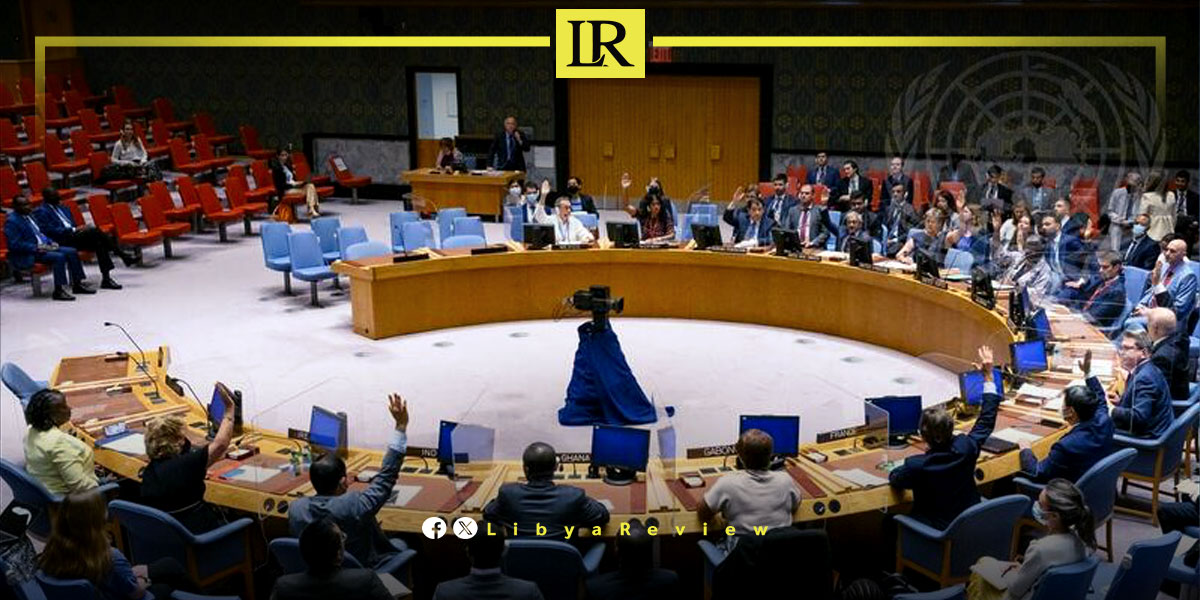
International divisions and shared concerns over Libya’s future were on full display during a recent UN Security Council session, as the United States, Russia, and the United Kingdom outlined their positions on how to move the country out of its prolonged political and security crisis.
The United States emphasized active diplomatic engagement, with its representative confirming that Washington is bringing together Libyan stakeholders in an effort to achieve tangible progress toward military and political integration. These efforts, launched recently, aim to bridge divisions between rival institutions and create a unified framework for governance.
According to the US position, unifying Libya’s economic, political, and military institutions is essential for achieving long-term stability. Washington reiterated its support for a Libyan-led political process that would result in a unified government capable of organizing national elections. It also urged Libyan actors and international partners to engage constructively with the roadmap proposed by the United Nations Support Mission in Libya.
The U.S. highlighted the importance of safeguarding judicial independence, warning that increasing polarization within the judiciary could weaken one of Libya’s core state institutions. It also stressed that oil exports must remain exclusively under the authority of the National Oil Corporation to prevent illegal diversion of revenues.
In addition, Washington welcomed the recent agreement on a unified budget between Libya’s rival institutions, describing it as a significant step toward financial stability and improved governance. Officials noted that such measures could support development and improve living conditions if properly implemented.
Russia, meanwhile, expressed concern over Libya’s fragile security situation but struck a more cautious tone. Ambassador Vasily Nebenzya said Moscow believes Libyan leaders will avoid escalation despite ongoing tensions. He emphasized the importance of respecting Libya’s sovereignty and avoiding external interference in its internal affairs.
Nebenzya also underscored that Libya’s economic resources, particularly oil revenues, must remain under national control. He reiterated Russia’s support for a UN-facilitated political dialogue leading to elections but stressed that any solution must be driven by Libyans themselves.
The United Kingdom aligned with calls for political engagement, urging all Libyan parties to participate constructively in the UN-led process. British representatives reaffirmed their support for a comprehensive political settlement aimed at holding elections and strengthening governance structures.
London also emphasized the need to protect Libya’s sovereign institutions, including the Central Bank and the National Oil Corporation, while calling for stronger measures to combat oil smuggling and safeguard frozen assets for the benefit of the Libyan people.
Additionally, the UK raised concerns over the situation of migrants and refugees in Libya, citing reports of exploitation, trafficking, and unlawful detention. It called for intensified efforts to dismantle trafficking networks and close unofficial detention centers.

