
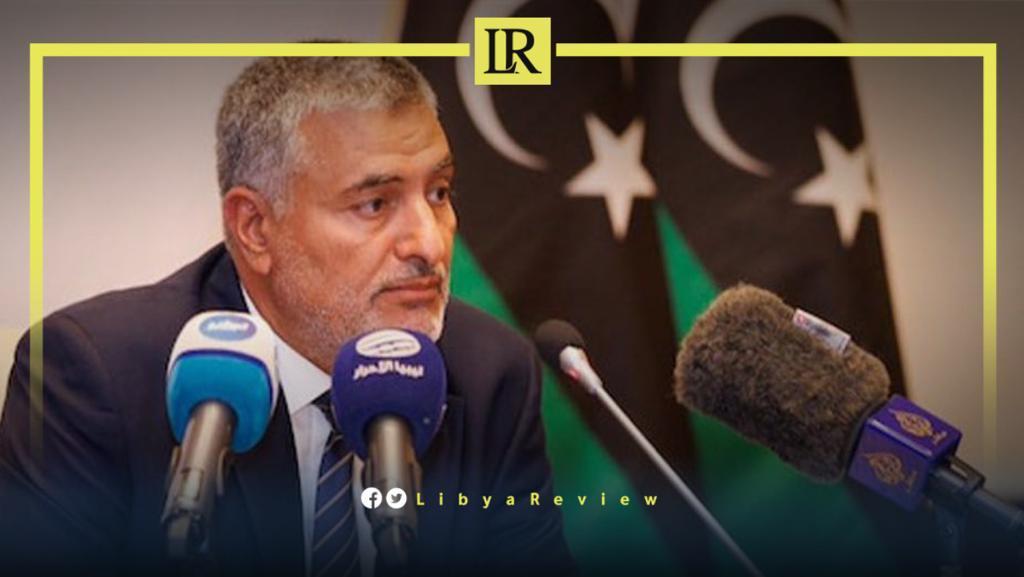
Head of the Libyan High Council of State, Mohamed Takala, has warned that recent actions by the United Nations could risk deepening Libya’s political divisions, calling for a reassessment of the international approach to the country’s political process.
In a formal letter addressed to UN Secretary-General Antonio Guterres, Takala criticized the role of the United Nations Support Mission in Libya, accusing it of pursuing political initiatives that bypass Libya’s recognized institutions. He said such steps could lead to renewed fragmentation or even open the door to centralized, non-inclusive governance.
Takala pointed to the creation of parallel structures, including advisory bodies and structured dialogue initiatives, arguing that these were established without transparent criteria or coordination with official Libyan institutions. He expressed concern that such mechanisms undermine institutional legitimacy and weaken existing political agreements.
He also objected to the inclusion of political figures in these initiatives without consulting the bodies they represent, suggesting that this approach risks distorting the political process and promoting limited agendas rather than national consensus.
In his message, Takala stressed that recent understandings between the House of Representatives and the High Council of State should form the basis of any political progress. He highlighted agreements related to restructuring the High National Elections Commission as key steps that should not be overlooked.
According to Takala, shifting toward committees or frameworks lacking legal authority would likely worsen the current political deadlock rather than resolve it. He emphasized that any viable path forward must rely on clear legal foundations and broad institutional agreement.
Takala called on Guterres to intervene to ensure that the UN mission adheres to its mandate and engages exclusively with Libya’s recognized institutions. He underlined that these bodies remain the only legitimate actors capable of managing the country’s political transition.

