
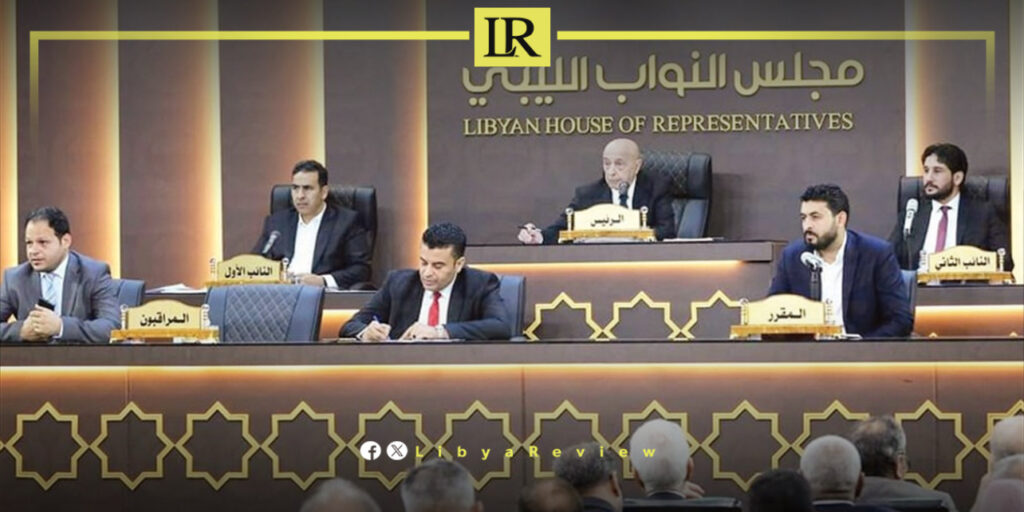
Libya’s House of Representatives has called on the Central Bank of Libya not to suspend the salaries of judges and judicial officials in the country’s eastern and southern regions, amid a growing dispute over the authority of the judiciary.
In a letter addressed to the Governor of the Central Bank of Libya, the Presidency Affairs Office of the House of Representatives warned against measures it said were issued by a body claiming to be the Supreme Judicial Council. The letter said these measures included decisions to transfer judges, end secondments, and force resignations on several members of judicial bodies living in eastern and southern Libya.
The letter, dated 3 May 2026, said the head of the Supreme Judicial Council had informed the presidency of the House of Representatives that these actions could lead to the suspension of salaries for judges and members of judicial institutions.
The House of Representatives called for urgent action to prevent any salary freeze until the judicial crisis is resolved. It also proposed separating the salaries of judicial officials in Cyrenaica and Fezzan and transferring them to the Central Bank of Libya branch in Benghazi.
According to the letter, Speaker Ageela Saleh stressed that any measures related to stopping the salaries of judges, court employees, or staff of the Judicial Council should not be recognised.
He also stated that the Supreme Judicial Council approved by the House of Representatives remains the legally competent authority until any official change is made.
The dispute comes amid Libya’s wider institutional division, with rival authorities competing over legal, financial, and administrative powers. The judiciary has become another area of tension, raising concerns over the independence of courts and the financial security of judges working outside western Libya.
The House of Representatives’ intervention reflects growing fears that the salary issue could deepen the judicial crisis and further complicate Libya’s already fragile institutional landscape.

