
Libya’s oil sector has marked a significant milestone with the official launch of full-scale operations at the Mabruk oilfield, following the successful completion of its trial production phase.
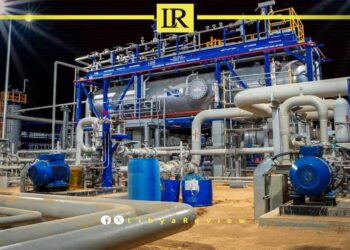
Mabruk Oil Operations Company announced that testing of the field’s operational and production capabilities had been completed after extensive maintenance, redevelopment and rehabilitation works. The project included the installation of modern equipment and the restoration of facilities that had suffered severe damage during years of disruption.
During the trial phase, the field produced around 30,000 barrels of crude oil per day. The company said production is now expected to reach its full capacity of 40,000 barrels per day in line with its development strategy. Cumulative output since the start of trial operations has reached approximately 2.5 million barrels.
The restart represents a major achievement for Libya’s energy sector, which has been working to restore production at key oil assets damaged by conflict and prolonged shutdowns. Industry observers had previously viewed the return of the Mabruk field as a challenging task due to the scale of the damage and the lengthy period during which operations were suspended.
The successful rehabilitation and restart of the field were carried out under the supervision of Libyan technical teams, engineers and specialists who led the project from its initial stages through to full operation.
The development highlights the National Oil Corporation’s efforts to restore damaged oil infrastructure and increase production capacity across Libya. Officials believe the return of the field will contribute to higher crude output, support state revenues and strengthen the long-term stability of the country’s oil sector.
National Oil Corporation Chairman Masoud Suleman praised the workforce involved in the project, thanking engineers, technicians and employees of Mabruk Oil Operations Company for their dedication and commitment.
He also expressed appreciation to all institutions that supported the rehabilitation programme, stressing that the ultimate goal remains improving economic conditions and serving the interests of the Libyan people through the sustainable development of the country’s energy resources.

