
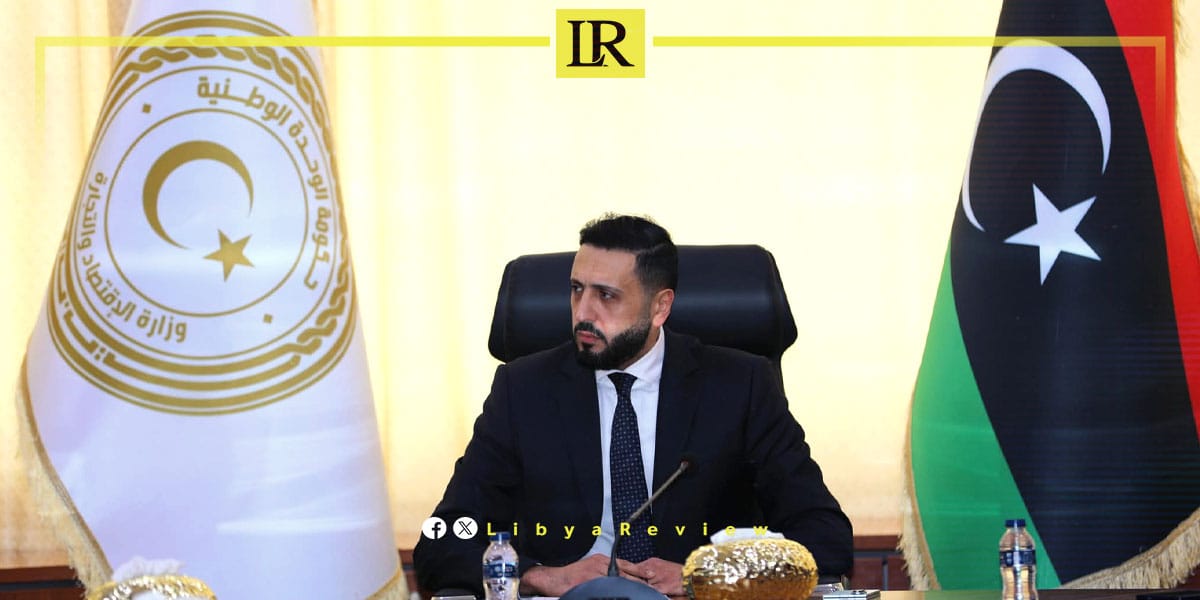
Libya’s Ministry of Economy and Trade has issued implementing regulations accompanying Decision No. 319 of 2026, establishing new rules governing the granting of foreign commercial agencies in the country.
The ministry said the new regulations aim to organise the procedures for granting commercial agency licences and establish a clear legal framework governing the activity within the Libyan market.
According to the ministry, the regulations set out the controls and procedures related to foreign commercial agencies in line with policies regulating the trade sector and are intended to provide greater clarity in the relationship between local entities and foreign companies seeking to operate in Libya.
Officials said the new framework is designed to regulate commercial agency activities in a manner that improves the business environment, enhances transparency and supports fair competition in accordance with Libya’s existing legal provisions.
The ministry added that the move forms part of broader efforts to modernise the legislative framework governing commercial activities and improve the efficiency of market regulation.
The introduction of the new regulations comes as Libya seeks to attract greater foreign investment and encourage international companies to expand their presence in the country, particularly as authorities pursue economic reforms aimed at diversifying the economy and strengthening the private sector.
Business experts say clear rules governing commercial agencies are essential to increasing investor confidence and improving the operating environment for foreign firms looking to enter the Libyan market.
The Ministry of Economy and Trade has undertaken a series of regulatory initiatives in recent years aimed at simplifying procedures, strengthening governance and creating a more predictable legal and commercial framework for domestic and international businesses.
The latest regulations are expected to provide greater legal certainty for foreign companies while helping to improve transparency and competitiveness in Libya’s commercial sector.

