
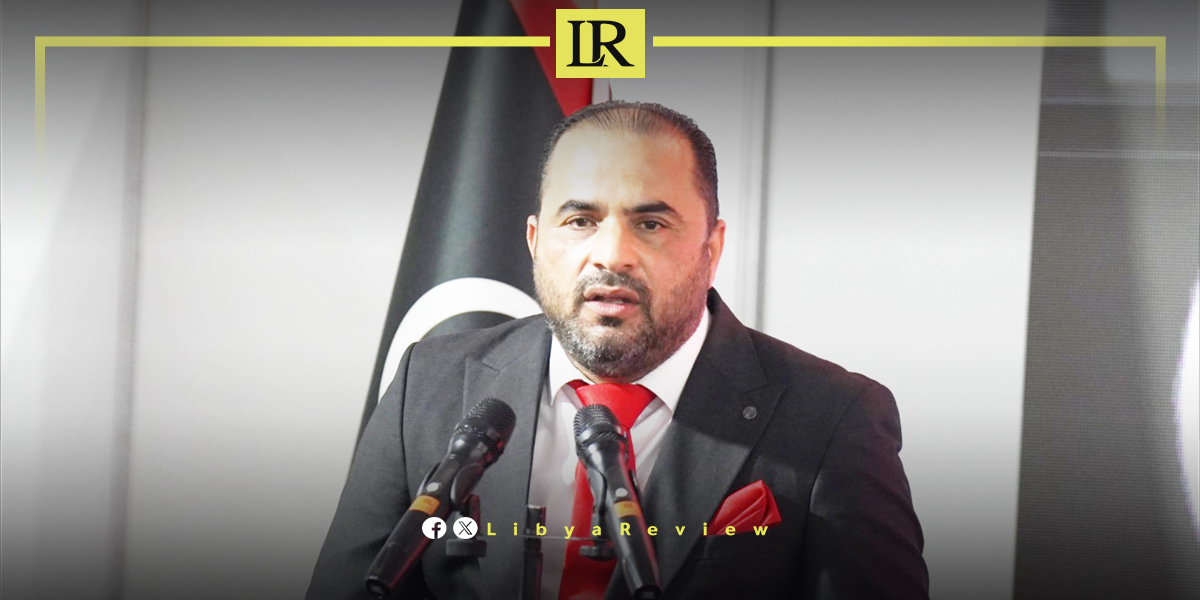
Libyan Member of Parliament Jibril Waheeda said recent regional diplomatic efforts reflect growing attempts to prevent Libya from returning to political deadlock and institutional paralysis amid continued disagreements over the country’s electoral path.
Waheeda pointed to the recent trilateral meeting held in Cairo between Egypt, Algeria, and Tunisia, where officials stressed the importance of holding presidential and parliamentary elections simultaneously.
He noted that the subsequent visit of Hanna Serwaa Tetteh to Cairo demonstrated what he described as the effectiveness of Egyptian diplomacy in managing the Libyan crisis and maintaining communication between political actors.
According to Waheeda, the recent diplomatic activity appears aimed at preserving the political dialogue process linked to the “4+4” track, which he associated with mediation efforts involving the senior Africa advisor to US President Donald Trump, Massad Boulos.
However, he expressed doubts about the ability of the current political efforts to produce a final and lasting settlement.
The Libyan lawmaker warned that some political factions connected to the House of Representatives may have misjudged recent developments, potentially pushing the country back to the period before the outcomes of the “6+6” electoral committee negotiations.
Waheeda also raised concerns about the possibility of moving toward parliamentary elections only under the framework of Law No. 10 of 2014, which does not require the formation of a new government before elections are held. He suggested that such a scenario could either preserve the current political landscape without assigning responsibility to specific parties or lead to legislative elections without resolving broader disputes over executive authority.
According to his assessment, limiting the process to parliamentary elections could indirectly benefit parties supporting outgoing GNU Prime Minister Abdel-Hamid Dbaiba, potentially allowing the current executive structure to remain in place for a longer period.
The comments come as Libya continues to face political uncertainty despite renewed regional and international efforts to revive negotiations and establish a unified roadmap toward elections.

