
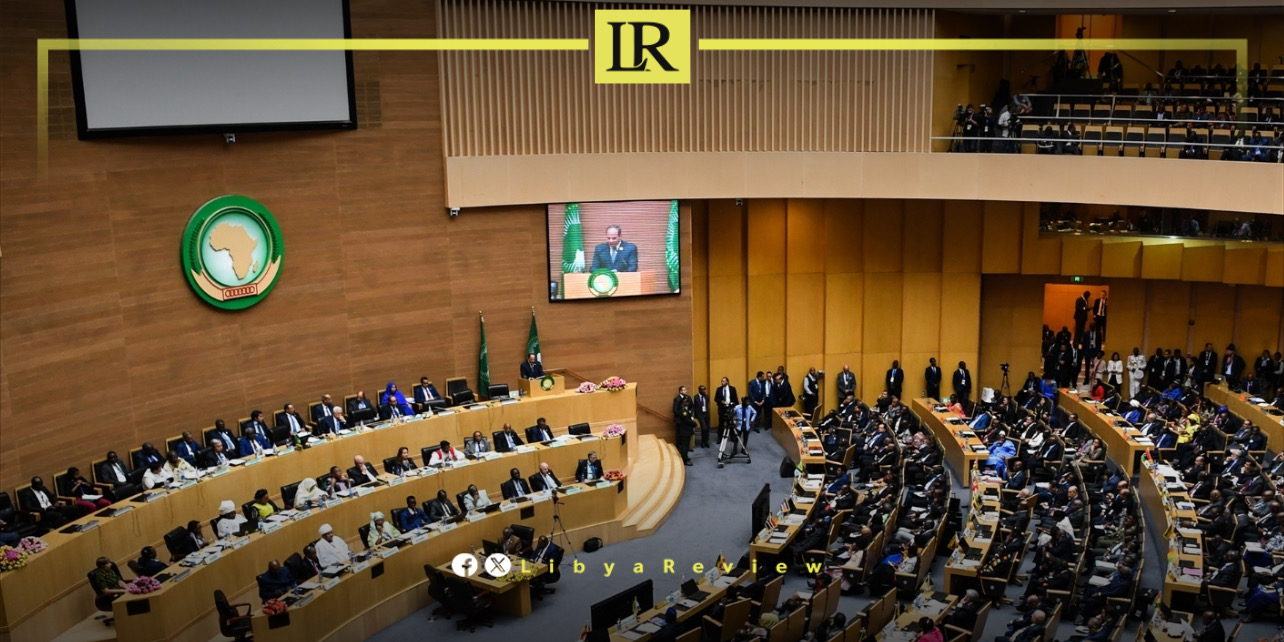
The African Union Peace and Security Council is set to convene its 1352nd session on Tuesday to review the latest developments in Libya, as the country continues to grapple with political division, institutional fragmentation, and the prolonged delay of national elections.
The meeting comes amid growing concerns over the lack of progress toward resolving Libya’s political crisis. More than four years after the collapse of plans to hold presidential and parliamentary elections in December 2021, political disagreements continue to prevent consensus on the constitutional, legal, and institutional framework needed to organize a nationwide vote.
The session will feature briefings from senior African Union officials, including Commissioner for Political Affairs, Peace and Security, Bankole Adeoye, as well as Ambassador Wahida Ayari, the African Union’s Special Representative to Libya.
Libya is also expected to address the meeting, alongside Hanna Tetteh, Head of the United Nations Support Mission in Libya, who is expected to provide an update on ongoing international efforts to advance the political process.
Discussions are expected to focus on the continued political impasse and the challenges facing efforts to reunify Libya’s institutions. Despite the 2020 ceasefire that ended large-scale military confrontations, the country remains divided between rival political authorities in the east and west, with competing institutions continuing to hinder progress toward a comprehensive settlement.
Council members are also expected to review the United Nations roadmap aimed at breaking the deadlock through a consensus-based electoral framework, the formation of a unified government, and the eventual holding of presidential and parliamentary elections. The initiative has received support from both the African Union and the United Nations as part of broader efforts to advance a Libyan-led political solution.
While the security situation remains relatively stable compared to previous years, recurring local clashes and political tensions continue to pose challenges.

