
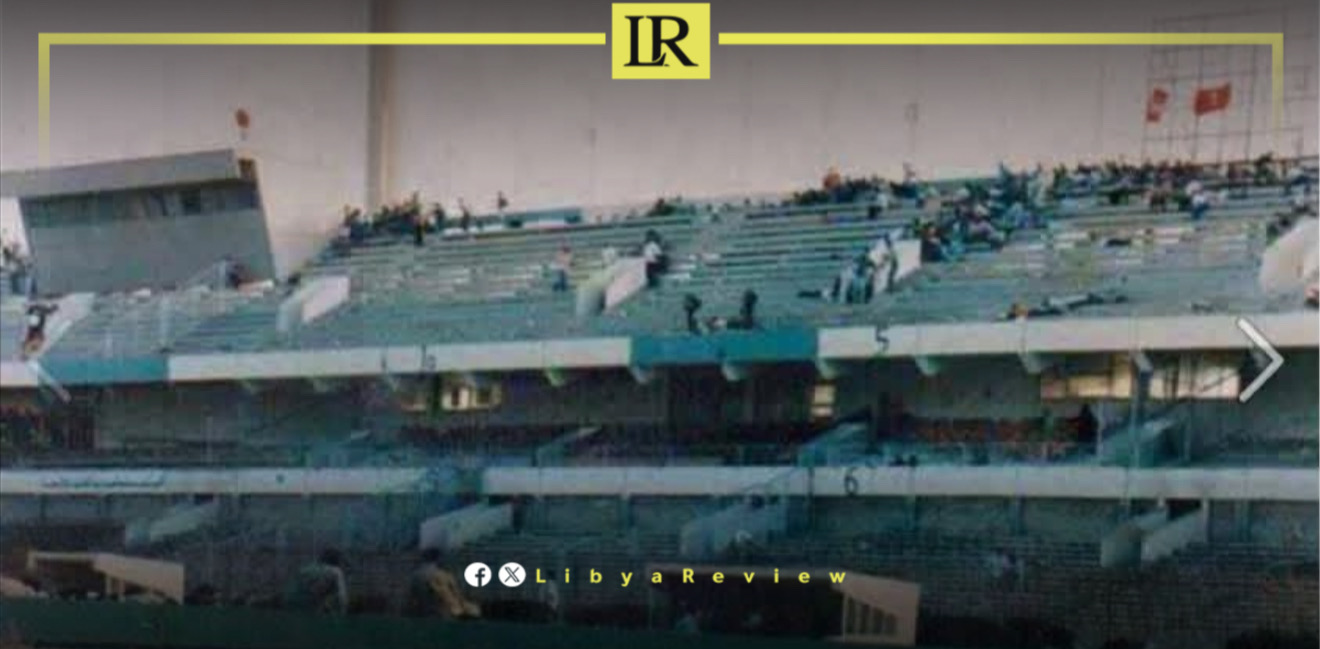
Libya on Thursday marked the 30th anniversary of one of the darkest episodes in the country’s sporting history, when violence erupted during a football match in Tripoli and security forces opened fire on spectators, leaving dozens dead and injured.
On 9 July 1996, fans gathered at Tripoli International Stadium, then known as the 11 June Stadium, expecting to watch a decisive derby between Tripoli rivals Al Ahli Tripoli and Al Ittihad.
Instead, the match descended into chaos and ended in what later became known as the “Sports City Massacre”.
The incident took place during the rule of former Libyan leader Muammar Gaddafi, amid growing frustration among football supporters over alleged political interference in the country’s sporting institutions, including the influence of members of the Gaddafi family on Libyan football.
According to accounts widely circulated by Libyan fans and rights activists in the years that followed, controversial refereeing decisions during the match triggered protests inside the stadium, with supporters chanting slogans and throwing objects onto the pitch.
As tensions escalated, security forces intervened. Witnesses and survivors have long alleged that live ammunition was used against crowds instead of conventional crowd-control measures.
The shootings, combined with panic among spectators attempting to flee through limited exits, reportedly caused numerous deaths and injuries from gunfire, crushing and suffocation.
The tragedy was followed by a prolonged period of silence and restrictions on public discussion of the events under the former regime.
Families of victims and survivors have for years accused authorities at the time of suppressing information about the incident and preventing public mourning.
Three decades later, the events of July 1996 continue to occupy a powerful place in Libya’s sporting memory, particularly among supporters of Al Ahli Tripoli, who commemorate the victims annually and continue to call for full accountability and historical recognition of the tragedy.

