
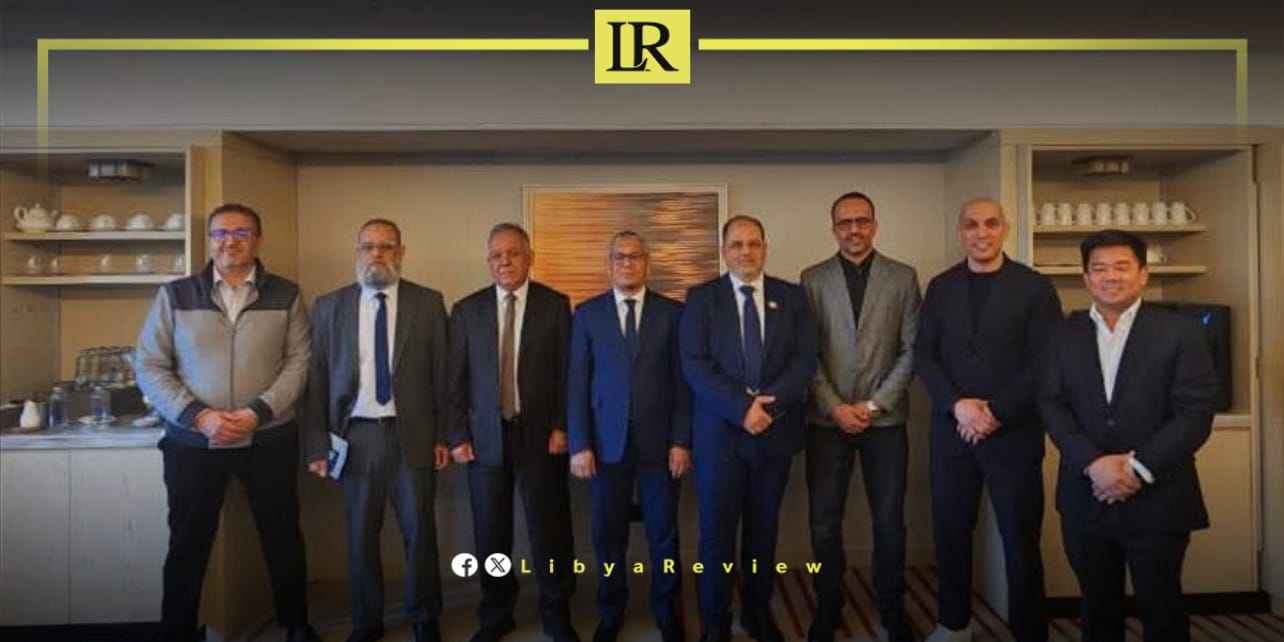
Libya’s National Oil Corporation (NOC) has held talks with Schlumberger to explore technical and financial cooperation aimed at reducing gas flaring and accelerating key energy projects.
The discussions focused on deploying modern technologies to cut associated gas flaring in oil fields during the current and coming year. The initiative forms part of Libya’s broader strategy to improve efficiency, reduce waste, and strengthen environmental performance across the energy sector.
According to NOC, the effort is being closely overseen by its chairman, Masoud Suleiman, with daily monitoring of progress. The corporation said coordination with international partners is essential to ensure operational efficiency and support national economic goals.
“Cooperation with global companies will help accelerate implementation and improve results,” the NOC said in a statement.
Libya has been working to reduce gas flaring, which has long been a major issue due to infrastructure gaps and years of conflict. The country launched a “Zero Routine Flaring by 2030” initiative and formed a dedicated committee to track progress.
Earlier this year, the NOC said it had already reduced flaring by more than 100 million cubic feet per day, while increasing utilisation of associated gas.
The strategy includes several major projects across oil companies, including key developments at Sirte Oil and Gas Production Company. These projects aim to capture and process gas that would otherwise be burned, improving energy efficiency and reducing emissions.
Reducing flaring could bring direct benefits to Libya’s economy by increasing gas supply for domestic use and export. It also supports global climate commitments and enhances Libya’s standing with international investors.
However, challenges remain. Infrastructure constraints, funding gaps, and political instability continue to affect project timelines and long-term planning.

